

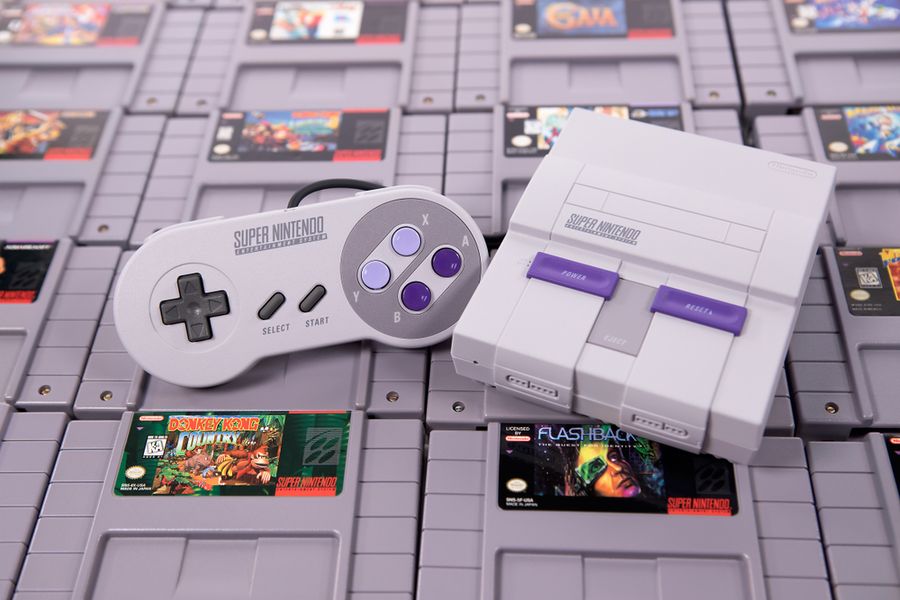
Retro gaming consoles are experiencing a renewed surge in popularity as players seek simpler gameplay, familiar visuals, and a connection to earlier gaming eras. From re-released classic systems to modern devices built for emulation, retro consoles appeal to both nostalgic longtime gamers and younger audiences discovering retro titles for the first time.
The Resurgence of Retro Gaming Consoles
Retro gaming consoles are making a significant comeback, driven by a blend of nostalgia and a desire for simpler gaming experiences. The market for these classic devices is booming, with sales of old video game consoles surging.
In 2025, the market was valued at $3.8 billion globally and is projected to rise to $8 billion by 2033 (source). This resurgence is not just about reliving the past; it also offers a contrast to the complex and often expensive nature of modern gaming.
Which Retro Consoles Are Driving the Comeback
Several specific retro consoles are leading the resurgence, driven by both official re-releases and third-party hardware. Nintendo’s NES Classic Edition and SNES Classic remain among the most recognizable, offering curated libraries of iconic games in compact modern designs. Sega’s Genesis Mini has also regained attention for appealing to fans of 16-bit-era titles.
Beyond reissues, original hardware like the PlayStation 1, Game Boy, and Nintendo 64 has seen renewed demand in the resale and restoration market. Additionally, modern retro-focused systems such as the Analogue Pocket and Analogue Super Nt have become popular for their ability to play original cartridges with high accuracy, blending authentic gameplay with modern display support.
Nostalgia and Cross-Generational Appeal
The retro gaming boom is largely fueled by nostalgia, with older gamers seeking to relive childhood memories and younger gamers exploring the origins of gaming. This generational crossover has solidified retro gaming as a permanent layer of the industry (source).
Nostalgia marketing effectively targets millennials and Generation X, who have a strong affinity for the golden age of arcade and home console gaming. Additionally, younger demographics are discovering classic games, contributing to the market's cross-generational appeal (source).
Technological Advancements and Modern Features
Modern technology has enhanced the retro gaming experience, making it more accessible and appealing to today's gamers. Technological advancements, particularly FPGA technology, have improved the authenticity of retro gaming by accurately replicating original console circuitry, offering authentic visuals and sound without the flaws of earlier emulation attempts (source).
Modern retro consoles are integrated into broader entertainment ecosystems, featuring enhancements like save-state functionality, online leaderboards, HDMI output, and support for wireless controllers.
The Role of Social Media and Community
Social media has played a significant role in the retro gaming revival. Platforms like YouTube have seen a massive increase in content related to classic consoles and games, such as repairs, unboxings, and gameplay videos. This online presence has helped sustain interest and build a community around retro gaming (source).
Physical restoration services for retro gaming consoles are also in high demand, with companies expanding their operations through social media platforms, highlighting the growing community around retro gaming culture (source).
Why You Should Learn More About Retro Gaming
The resurgence of retro gaming consoles is more than just a nostalgic journey; it represents a lasting trend in the gaming industry. With a market projected to grow significantly in the coming years, retro gaming offers a unique blend of simplicity, nostalgia, and modern enhancements that appeal to a wide range of gamers.
Whether driven by a desire to relive childhood memories or explore the roots of gaming, retro consoles provide a satisfying alternative to the complexities of modern gaming. As the industry continues to evolve, retro gaming remains a vital and enduring part of the gaming landscape.