

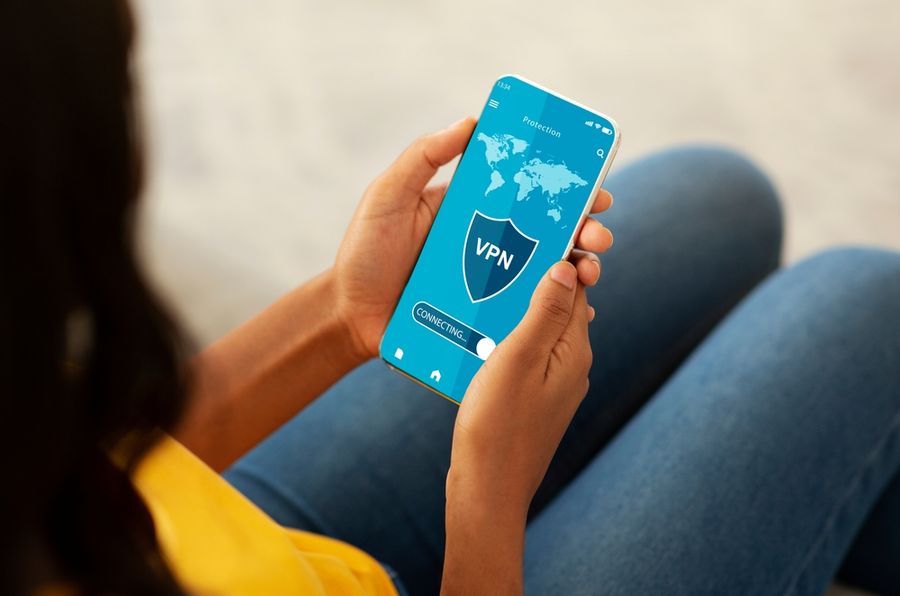
In an era where digital privacy is paramount, Virtual Private Networks (VPNs) have become indispensable tools for safeguarding online activities. By encrypting data and masking IP addresses, VPNs protect sensitive information from prying eyes. From personal use to corporate applications, understanding VPNs’ role in enhancing privacy is crucial in today’s interconnected world.
Understanding the Role of VPNs in Enhancing Digital Privacy
In today's digital age, maintaining privacy online is more crucial than ever. Virtual Private Networks (VPNs) have emerged as a vital tool in safeguarding digital privacy by encrypting data and masking IP addresses. This ensures that online activities remain private and secure, protecting sensitive information from being tracked or exploited, especially on public networks (source).
How VPNs Work to Protect Your Data
VPNs create a secure connection over the internet by encrypting data between devices. This encryption process transforms data into unreadable code, ensuring that Internet Service Providers (ISPs), hackers, or third parties cannot track browsing activity or steal personal details (source). By routing internet traffic through a server at a different location, VPNs conceal the true source of the connection, enhancing privacy by preventing unauthorized entities from tracking the user's online activities (source).
Benefits of Using VPNs for Digital Privacy
VPNs offer several advantages that enhance digital privacy. They secure networks, hide private information, prevent data and bandwidth throttling, and provide access to geo-blocked services. These benefits ensure that online activities remain anonymous and secure (source). Additionally, VPNs provide protection on public Wi-Fi networks, which are often vulnerable to security breaches. By encrypting connections, VPNs prevent hackers from intercepting data, making public Wi-Fi safer for users (source).
VPNs in the Corporate World
For businesses, VPNs are particularly useful as they allow for network scalability, reduce support costs, and provide secure remote work connections. By encrypting connections, VPNs help employees collaborate safely and protect confidential data, which is crucial in the era of remote work (source). VPNs also facilitate global connectivity and point-to-point remote access, enabling businesses to expand their reach without the need for physical infrastructure in each new location (source).
Choosing the Right VPN
When selecting a VPN, users should consider factors such as a strict no-logs policy, user-friendly applications, large server coverage, multiple simultaneous connections, an automatic kill switch, 256-bit encryption, and reliable customer support (source). A good VPN provider should offer strong encryption, IP address protection, a wide range of server locations, a zero-log policy, and features like a kill switch and mobile compatibility to ensure comprehensive digital privacy and security (source).
Why You Should Learn More About VPNs Today
Understanding the role of VPNs in enhancing digital privacy is essential in today's interconnected world. As cyber threats continue to evolve, VPNs provide a reliable solution for protecting personal and corporate data. By encrypting data and masking IP addresses, VPNs ensure that online activities remain private and secure. Whether for personal use or corporate applications, VPNs offer a robust layer of protection against unauthorized access and cyber threats. Exploring the various features and benefits of VPNs can help individuals and businesses make informed decisions about their digital privacy strategies.