

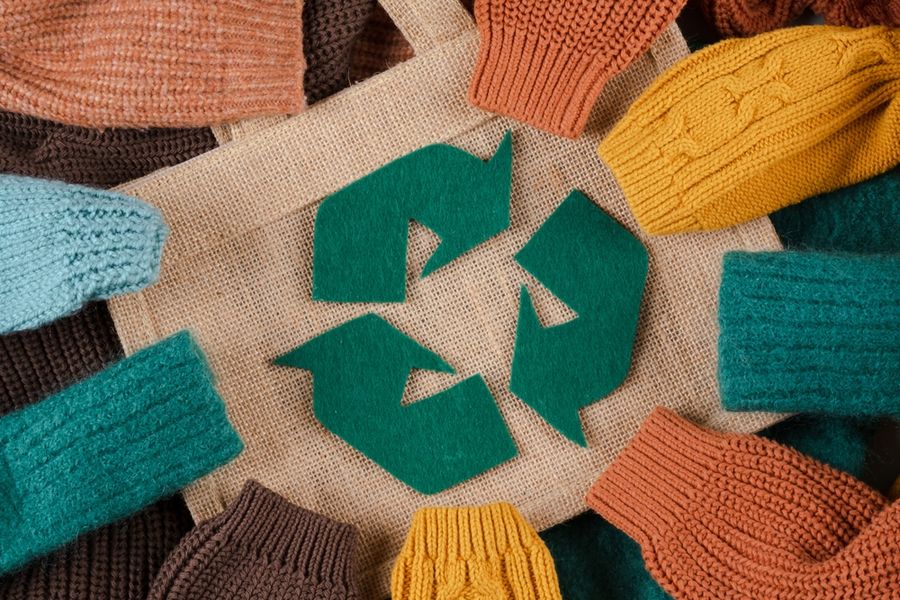
The fashion industry is embracing a sustainable revolution, driven by the urgent need to reduce its environmental impact. With brands like Patagonia, Everlane, and Reformation leading the way, eco-friendly materials and ethical practices are becoming the norm. As consumer demand for sustainability grows, the future of fashion promises a greener, more responsible approach to style.
The Rise of Sustainable Fashion Brands
The fashion industry is undergoing a significant transformation as more brands and consumers prioritize sustainability. This shift is crucial, given that the industry is responsible for approximately 10% of global carbon emissions and significant waste, including microplastics that pollute oceans (source).
Sustainable fashion brands are leading the charge by adopting eco-friendly materials, ethical production practices, and circular design principles. These efforts not only reduce environmental impact but also align with the values of a growing number of consumers who are increasingly considering sustainability in their purchasing decisions.
Leading Sustainable Fashion Brands
Several brands are at the forefront of the sustainable fashion movement. Patagonia, for instance, is renowned for its commitment to sustainability through the use of recycled materials and responsible production processes. Their initiatives, such as the Take-Back Program, aim to create a circular clothing system, significantly reducing plastic waste and supporting regenerative organic cotton farming (source).
Everlane is another brand that focuses on transparency and sustainability. Their "Cleaner Fashion" collection emphasizes reduced water usage, cleaner cotton, and recycled materials, with a significant portion of their cotton and polyester sourced from certified organic and recycled sources (source).
Reformation is dedicated to sustainable fashion through its focus on People, Products, Planet, and Progress. They are Climate Neutral Certified, offsetting 100% of their carbon emissions, and aim to remove more emissions than they produce. Their sustainability efforts include using recycled materials and maintaining clean chemical certifications for their dyers and printers (source).
Consumer Demand and the Future of Sustainable Fashion
Consumer demand is a driving force behind the growth of sustainable fashion. A significant portion of shoppers, particularly Millennials and Gen Z, are considering sustainability in their purchasing decisions. Brands that align with these values attract a loyal customer base and stand out in the marketplace (source).
The future of sustainable fashion requires collective action from consumers, brands, and governments. Innovations in sustainable materials, streamlined supply chains, and policies promoting sustainability are essential for reducing the industry's environmental footprint and ensuring a positive impact on the planet (source).
Why You Should Learn More About Sustainable Fashion Today
The shift toward sustainable fashion reflects a growing awareness of the environmental and social impact of clothing production. As brands continue to invest in eco-friendly materials, ethical labor practices, and transparent supply chains, consumers gain more opportunities to align their wardrobes with their values. Supporting sustainable brands encourages innovation and accountability across the industry, helping reduce waste, emissions, and resource depletion over time.
Learning more about sustainable fashion empowers individuals to make thoughtful purchasing decisions that extend beyond trends. By choosing quality over quantity and prioritizing brands committed to responsible practices, consumers play an active role in shaping the future of fashion. This collective effort can drive meaningful change, ensuring style and sustainability coexist for generations to come.