

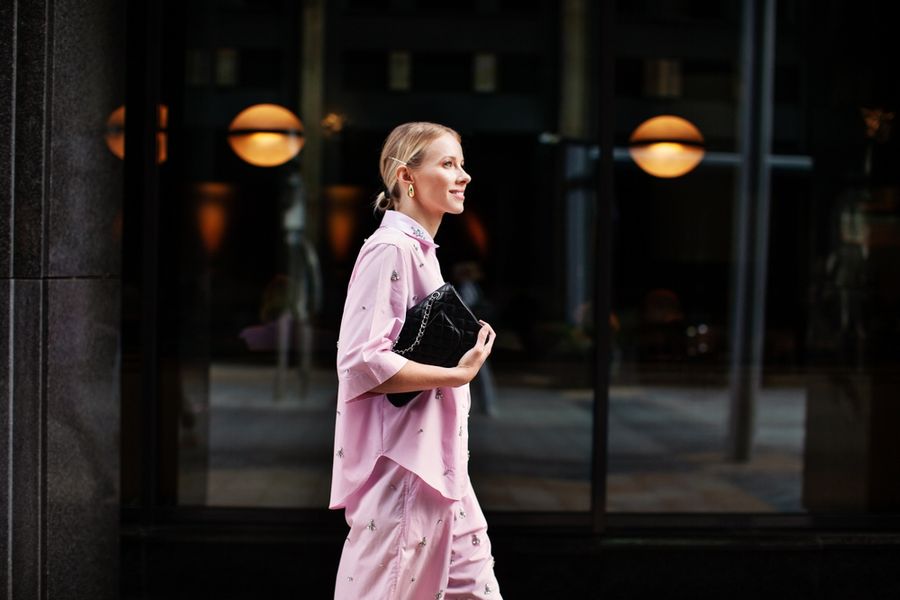
Personal style goes beyond following trends or copying looks. It reflects individuality, confidence, and lifestyle choices expressed through clothing and accessories. Understanding how to define personal style helps create a wardrobe that feels authentic, functional, and timeless. By understanding preferences and experimenting thoughtfully, anyone can develop a look that feels uniquely their own.
Understanding Personal Style
Finding one's personal style is a journey of self-expression and empowerment in the fashion world. It transcends rigid labels and fleeting trends, allowing individuals to dress in a way that truly reflects their identity. This involves embracing garments that highlight individuality and confidence, moving beyond the constraints of mainstream fashion media (source).
Personal style is not just about clothing preferences; it is about understanding what makes one feel comfortable and confident, which can lead to a more sustainable approach to fashion by encouraging the use of existing wardrobe items and reducing unnecessary purchases (source).
Discovering Style Inspirations
The first step in developing a personal style is discovering style inspirations. This can be achieved by creating a mood board with various visual elements that resonate with an individual, such as textures, colors, and silhouettes. These elements can guide fashion choices and help in curating a wardrobe that reflects personal preferences (source).
Additionally, a journaling exercise can be beneficial in defining personal style. This exercise includes prompts such as asking trusted friends to describe one's style, identifying style icons, and determining valued fashion items (source).
Embracing Experimentation and Authenticity
Experimentation is a crucial aspect of finding personal style. It involves trying different styles and not limiting oneself to a single aesthetic. Fashion industry professionals emphasize the importance of dressing according to mood and embracing experimentation while staying true to oneself (source).
Comfort and authenticity should be prioritized over trends, as forcing oneself to wear something uncomfortable can detract from personal style. Instead, individuals are encouraged to experiment with different styles while maintaining authenticity (source).
Building a Timeless Wardrobe
Investing in quality basics is fundamental to building a timeless wardrobe. These pieces, such as a crisp white shirt or tailored trousers, offer versatility and longevity, serving as the foundation for a personalized and sustainable fashion approach (source).
The 80/20 rule for wardrobe composition is also recommended, where 80% consists of basic classics and 20% are personality pieces. This balance allows for a cohesive wardrobe that reflects personal style while incorporating unique elements (source).
Incorporating Accessories and Layering
Accessories play a significant role in elevating a look and expressing personality. They add layers of intrigue and sophistication, allowing individuals to flirt with trends and infuse basics with a contemporary edge (source).
Mastering the art of layering involves balancing texture, proportion, and color to create versatile outfits. This technique allows for adaptability across seasons while maintaining style and elegance (source).
Why You Should Learn More About Personal Style Today
Understanding and developing personal style is a continuous journey of self-discovery and empowerment. It involves moving beyond fleeting trends and focusing on individual preferences, which can lead to a more sustainable and authentic approach to fashion.
By exploring various inspirations, embracing experimentation, and investing in quality basics, individuals can curate a wardrobe that truly reflects their identity. Personal style is not static; it evolves over time, reflecting personal growth and lifestyle changes. Embracing this evolution and staying true to oneself can lead to a more fulfilling and confident fashion journey.