

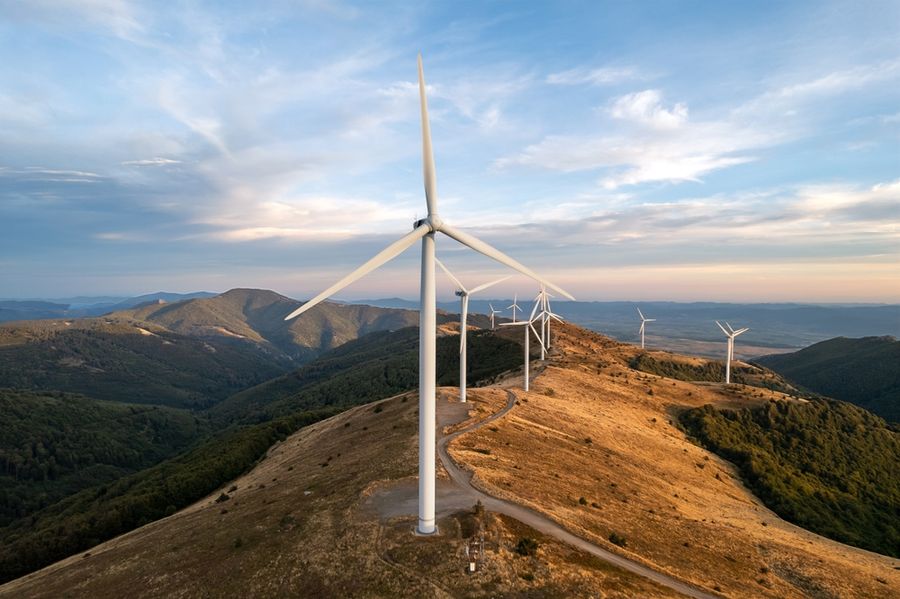
As the United States shifts toward cleaner energy, renewable sources such as wind and solar are gaining momentum and surpassing coal in energy generation. Despite a currently modest share, the potential for expansion remains significant, driven by economic viability and technological advancement. Opportunities and challenges surrounding renewable energy continue to shape its role in a more sustainable future.
Understanding Renewable Energy Options
The global energy landscape is undergoing a significant transformation as countries strive to reduce their carbon footprints and transition to cleaner energy sources. In the United States, renewable energy sources have begun to play a more prominent role, surpassing coal in energy generation as of 2023. This shift is largely driven by the increasing adoption of wind and solar energy, which are the fastest-growing renewable sources in the country (source).
Despite their rapid growth, wind and solar currently contribute less than 3% of the total energy used in the U.S. However, the potential for renewable energy is vast, with an estimated 463,400 TWh of technical potential, yet less than 1% is currently utilized. This highlights the significant opportunity for expansion and the economic viability of renewable energy investments, as the Levelized Cost of Energy (LCOE) for utility-scale solar and onshore wind remains lower than that of fossil fuels through 2025 (source).
Comparing Renewable Energy Sources
Renewable energy sources, such as solar, wind, and hydropower, are increasingly being adopted to meet climate neutrality commitments due to their clean, safe, and environmentally friendly nature. They do not produce emissions or waste, making them a sustainable alternative to fossil fuels (source).
While nuclear power requires less land and offers higher output density, renewable sources like solar and wind are becoming more cost-effective due to technological advancements, despite requiring larger land areas. The scalability of renewable energy systems, such as photovoltaic panels and wind turbines, allows for flexible expansion and adaptation to energy needs, although they generally produce less energy per unit area compared to nuclear power (source).
Challenges and Opportunities in Renewable Energy
Despite the promising growth of renewable energy, several challenges remain. The efficiency and output of renewable energy sources are highly dependent on location and weather conditions, with solar and wind power having lower annual utilization coefficients compared to nuclear power. This affects their overall energy production capabilities and highlights the need for energy storage solutions to mitigate these issues over time (source).
Moreover, policy mechanisms such as Renewable Portfolio Standards (RPS) and Clean Energy Standards (CES) are crucial in advancing renewable energy adoption. These policies are projected to add 300 TWh of clean electricity by 2030, supported by state-level incentives through various financial and regulatory measures (source).
Why You Should Learn More About Renewable Energy Today
As the world continues to grapple with the impacts of climate change, the transition to renewable energy sources is more important than ever. Understanding the various renewable energy options, their benefits, and the challenges they face is crucial for making informed decisions about energy consumption and investment. With technological advancements and supportive policies, renewable energy is poised to play a significant role in the global energy landscape, offering a sustainable and economically viable alternative to fossil fuels. By learning more about renewable energy, individuals and businesses can contribute to a cleaner, more sustainable future.