

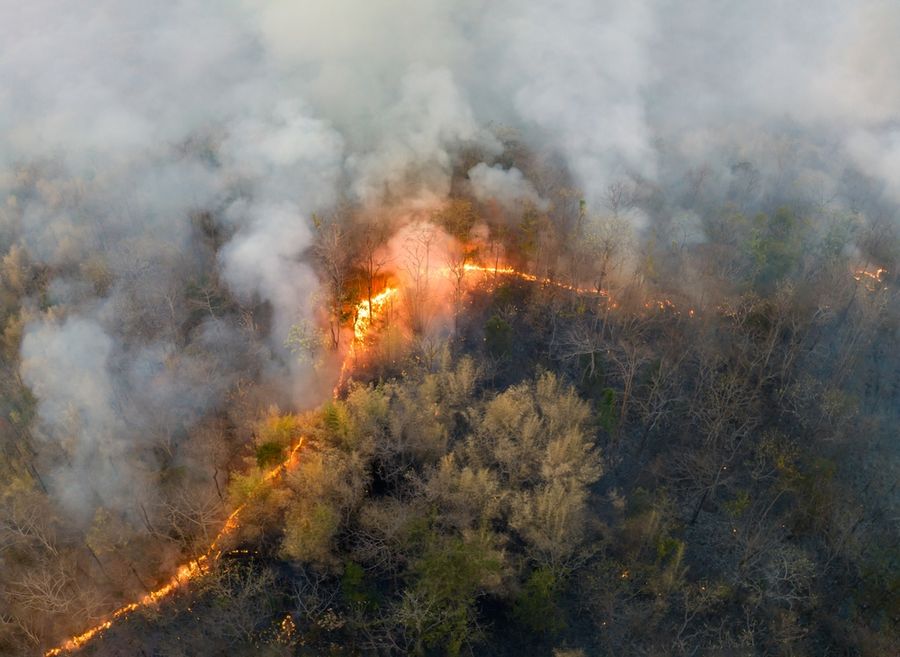
Climate change, driven by rising greenhouse gas emissions, is reshaping the planet and affecting every facet of life. Human activities, particularly since the Industrial Revolution, have accelerated global environmental shifts, leading to significant health, economic, and ecological challenges. Awareness of underlying dynamics is essential for mitigating future risks and supporting sustainable solutions.
Understanding Climate Change: The Basics
Climate change is a pressing global issue that affects every aspect of life on Earth. At its core, climate change is driven by the increase in greenhouse gases, such as carbon dioxide (CO2), methane, and nitrous oxide, in the atmosphere. These gases trap heat from the sun, preventing it from escaping back into space, which leads to a warming effect on the planet. Human activities, particularly since the Industrial Revolution, have significantly increased the concentration of these gases, with CO2 levels rising by over 40% since preindustrial times (source).
The Human Impact on Climate Change
While natural processes have historically influenced Earth's climate, the recent changes cannot be solely attributed to these natural causes. Human activities, such as burning fossil fuels and deforestation, have become the dominant factors driving climate change. The Industrial Revolution marked a significant shift in this dynamic, as human activities began to play a more prominent role in altering the climate (source). The increase in global average surface temperature, although seemingly small at around 2°F (1°C) since the pre-industrial era, represents a significant rise in heat energy affecting the Earth's systems, including oceans, frozen landscapes, and the atmosphere (source).
Health and Economic Impacts of Climate Change
Climate change poses severe threats to human health and safety. It is a significant contributor to humanitarian emergencies, with increasing frequency and intensity of heatwaves, wildfires, floods, tropical storms, and hurricanes. These events are directly linked to climate change and can cause substantial economic damage. The World Health Organization (WHO) projects that climate change could cause an additional 250,000 deaths per year between 2030 and 2050 due to factors like undernutrition, malaria, diarrhea, and heat stress (source).
Environmental and Societal Challenges
Climate change is currently impacting ecosystems and human societies globally, with significant effects such as rising temperatures, sea level rise, and increased frequency of extreme weather events. These changes affect essential resources like water, energy, and agriculture, as well as human health and infrastructure. The global average temperature has increased by about 2°F (1.1°C) since 1850 (source), and the sea level has risen 8–9 inches (21–24 centimeters) since 1880 (source). These changes contribute to more frequent and severe weather events, such as droughts and floods, which have widespread impacts on ecosystems and human communities.
Why You Should Learn More About Climate Change Today
Understanding climate change is crucial for addressing its impacts and finding solutions to mitigate its effects. The evidence is clear: human activities are the primary driver of recent climate change, and without significant emission reductions, global temperatures could rise by an additional 2.6 to 4.8 °C by the end of the 21st century (source).
This poses significant challenges for regional and local climate predictions and necessitates urgent action to limit global temperature rise. By learning more about climate change, individuals and communities can take informed actions to reduce their carbon footprint and advocate for policies that promote sustainability and resilience.