

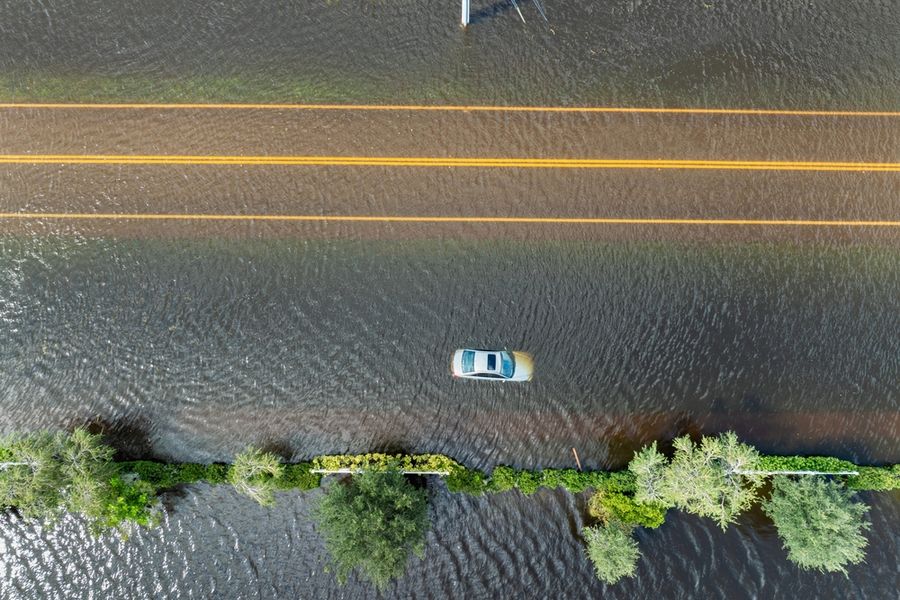
Climate change is reshaping the United States with distinct regional challenges, from increased flooding in the East to droughts and wildfires in the West. Coastal and island regions face rising sea levels and extreme weather, while scientific insights underscore the need for adaptation and mitigation strategies. Ongoing environmental shifts continue to affect ecosystems, agriculture, and communities across the country.
Understanding Regional Impacts of Climate Change
Climate change is a global phenomenon with diverse regional impacts across the United States. The National Climate Assessment highlights that every U.S. region is experiencing unique challenges due to climate change, from unusual weather patterns to shifts in ecosystems and agriculture (source). Understanding these regional differences is crucial for developing effective adaptation and mitigation strategies.
Regional Climate Challenges in the United States
The Eastern United States is witnessing increased precipitation, leading to higher flood risks, while the Western states face drier conditions, raising the threat of droughts and wildfires. The Northwest, including Washington, Oregon, and Idaho, is particularly vulnerable to heat, flooding, and wildfires due to declining snowpack and reservoir depletion (source). In the Southwest, extreme heat, drought, and wildfires are pressing issues, with water scarcity posing a significant threat to California's agriculture.
The Northern Great Plains, including Montana and Nebraska, are threatened by drought, floods, and hail, impacting agriculture and fossil fuel industries. Meanwhile, the Southern Great Plains, such as Texas and Oklahoma, are leaders in wind energy, transitioning to a low-carbon economy despite challenges from heat, drought, and flooding (source).
Coastal and Island Regions at Risk
Coastal regions, including the Southeast and Northeast, face threats from hurricanes, sea level rise, and extreme heat. Rapid population growth in these areas increases the urgency for comprehensive climate adaptation plans. The Northeast is also dealing with extreme precipitation and heat waves, affecting fishing communities due to shifts in fish stocks (source).
Alaska is experiencing thawing permafrost and declining fish populations, impacting its seafood industry. Hawai’i and other Pacific Islands are threatened by sea level rise, droughts, and heat, affecting food and water security. Rising ocean temperatures and acidification pose risks to marine ecosystems and biodiversity (source).
Scientific Insights and Future Projections
Scientific research underscores the significant impacts of climate change on the environment, including the loss of sea ice, melting glaciers, and rising sea levels. These changes are particularly affecting ecosystems and human infrastructure in coastal regions (source). The Intergovernmental Panel on Climate Change (IPCC) reports that human activities have increased global temperatures by nearly 2 degrees Fahrenheit since the late 19th century, with this warming trend expected to continue.
The severity of climate change impacts will depend on future greenhouse gas emissions. More emissions will lead to more extreme weather events and widespread environmental damage, but reducing emissions could mitigate some of the worst effects. In the United States, climate change is expected to cause sea levels to rise by 1 to 6.6 feet by 2100, increase the intensity of hurricanes, and lead to more frequent and severe droughts and heat waves, particularly in the Southwest (source).
Why You Should Learn More About Climate Change Today
Understanding the regional impacts of climate change is essential for developing effective adaptation and mitigation strategies. Each region in the United States faces unique challenges, from increased flooding and droughts to threats to agriculture and infrastructure. By staying informed about these changes, individuals and communities can better prepare for the future and contribute to efforts to reduce greenhouse gas emissions. The scientific consensus is clear: immediate and concerted global action is necessary to secure a livable future and prevent the most severe impacts of climate change.