

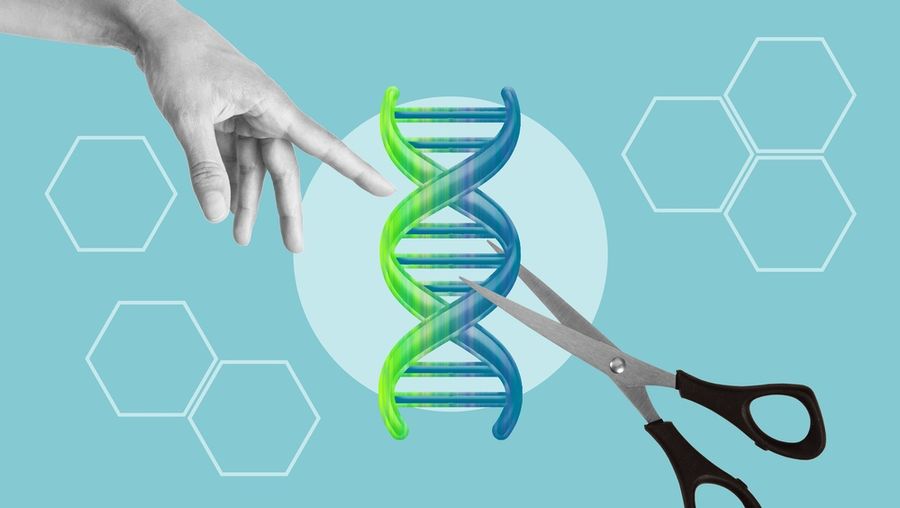
Scientific discoveries have consistently revolutionized understanding of the world, driving technological advancements that reshape daily life. From the groundbreaking revelation of DNA’s structure to the transformative potential of CRISPR technology, each milestone has opened new frontiers in research and innovation. Pivotal breakthroughs continue to influence modern science and shape possibilities for future progress.
Foundational Breakthroughs That Changed Science
Across centuries, certain scientific breakthroughs have fundamentally altered how humanity understands nature, life, and the universe. Rather than incremental improvements, such moments shifted entire frameworks of knowledge, challenging long-held assumptions and opening paths to new disciplines.
Advances in biology, astronomy, and medicine not only expanded scientific inquiry but also influenced technology, health, and daily life. By redefining what was considered possible, foundational discoveries laid the groundwork for modern science and continue to inform research, innovation, and problem-solving across generations.
The Discovery of DNA
The discovery of DNA is one of the most significant scientific breakthroughs of the 20th century. Initially discovered by Friedrich Miescher in 1869, the structure of DNA was later elucidated by James Watson and Francis Crick, who identified its double-stranded helix form. This discovery revolutionized the field of genetics by revealing the molecule that encodes genetic information for all living organisms. It laid the foundation for modern genetics and biotechnology, enabling advancements such as genetic engineering and personalized medicine (source).
Earth in Motion and the Universe
The Earth in Motion theory marked a pivotal shift from the geocentric model to a heliocentric understanding of the solar system. Key figures like Copernicus, Galileo, and Kepler contributed to this understanding, which laid the groundwork for modern astronomy. This shift in perspective was crucial for the development of space exploration and our understanding of the universe's vastness (source).
Germ Theory and Medical Advancements
Germ theory, developed by Louis Pasteur and Robert Koch, transformed medicine by identifying microorganisms as the cause of many diseases. This discovery led to improved hygiene practices, the development of vaccines, and significant advancements in public health. The introduction of antibiotics, particularly penicillin by Alexander Fleming, marked a turning point in medical treatment, saving countless lives by effectively combating bacterial infections (source).
CRISPR Technology and Gene Editing
CRISPR technology, a groundbreaking gene-editing tool, allows precise modifications to DNA, offering potential treatments for genetic disorders and advancing our ability to manipulate genetic material for various applications. Since its release in 2012, CRISPR has enabled breakthroughs in medicine, such as genetic cures for diseases like sickle-cell disease, and is being used in biotechnology and agriculture to create disease-resistant crops and carbon-capturing microbes (source).
The Human Genome Project
The Human Genome Project, completed in 2003, marked a significant milestone in genomics by successfully sequencing a complete human genome (source). This achievement has transformed fields such as forensics, anthropology, and medicine, and has accelerated the development of synthetic biology, leading to the creation of synthetic cells, DNA, and chromosomes. The project has fundamentally changed biomedical science by providing a complete sequence of the human genome, enabling advancements in genetic research and improving our understanding and treatment of genetic diseases (source).
Why You Should Learn More About Scientific Discoveries Today
Scientific discoveries have continuously reshaped our understanding of the world and the universe. From the discovery of DNA to the development of CRISPR technology, each breakthrough has opened new avenues for research and innovation. Understanding these discoveries not only provides insight into the natural world but also highlights the potential for future advancements that can address global challenges. As science continues to evolve, staying informed about these developments is crucial for appreciating their impact on society and the potential they hold for the future.