

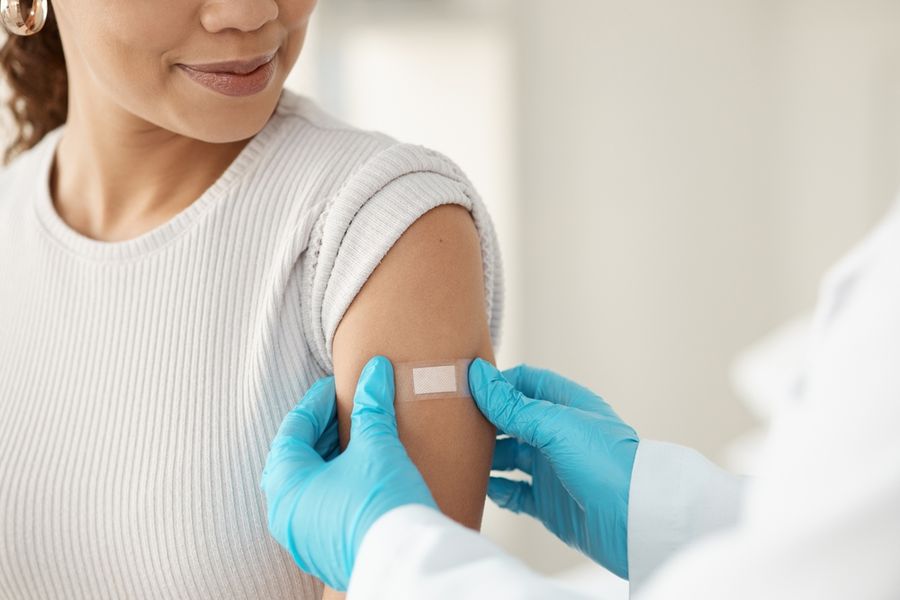
Vaccines stand as a pivotal element in modern healthcare, offering protection against infectious diseases by training the immune system to recognize and combat pathogens. Through various types and administration methods, vaccines not only protect individuals but also bolster public health by supporting herd immunity. Their impact continues to shape disease prevention and long-term community well-being.
Understanding How Vaccines Work
Vaccines are a cornerstone of modern medicine, providing a safe and effective way to prevent infectious diseases. They work by mimicking an infection, which activates the body's natural defenses without causing the full-blown disease. This process involves introducing an antigen, which can be weakened or killed bacteria or viruses, parts of their surface, or treated toxins, to stimulate the immune system to produce antibodies (source). These antibodies help the body recognize and fight the actual disease if encountered in the future (source).
The Immune Response to Vaccines
The immune system's response to vaccines involves the production of antibodies and memory cells, which enable a faster and more effective response upon subsequent exposures to the pathogen, thereby preventing illness (source). The immune response can cause mild symptoms like tiredness, but the protection they offer can last a lifetime. Vaccines are safer than contracting the disease itself, which can have unpredictable and severe consequences, even if initially asymptomatic (source).
Types of Vaccines and Their Administration
Vaccines can be administered in various forms, such as shots, pills, nasal sprays, or liquids. They often contain adjuvants, additives that enhance the immune response, making vaccines more effective and long-lasting (source). Many vaccines require multiple doses to achieve full immunity. Live-attenuated vaccines, which contain living but weakened organisms, typically need two doses and offer long-lasting protection. Non-live vaccines, which are safer for those with weakened immune systems, require three or more doses and periodic boosters (source).
The Role of Vaccines in Public Health
Vaccines have been instrumental in eradicating or controlling life-threatening diseases such as smallpox, polio, and measles, significantly reducing mortality rates and preventing millions of deaths (source). Herd immunity occurs when a significant portion of a community is vaccinated, reducing the spread of the pathogen and protecting those who cannot be vaccinated due to health conditions or allergies (source). This community protection reduces the spread of diseases, leading to fewer outbreaks and hospitalizations (source).
Ongoing Research and Vaccine Development
Ongoing vaccine research focuses on improving effectiveness, safety, and accessibility worldwide. Scientists continually study emerging pathogens and evolving viruses to refine formulations, delivery methods, and distribution strategies that support long-term global health preparedness.
Why You Should Learn More About Vaccines Today
Understanding how vaccines work is crucial for appreciating their role in public health. They not only protect individuals from severe diseases but also contribute to the overall health of communities by preventing outbreaks and reducing healthcare costs. As viruses continue to mutate, staying informed about vaccine updates and schedules is essential for maintaining immunity and safeguarding public health. By learning more about vaccines, individuals can make informed decisions about their health and contribute to a healthier society.