

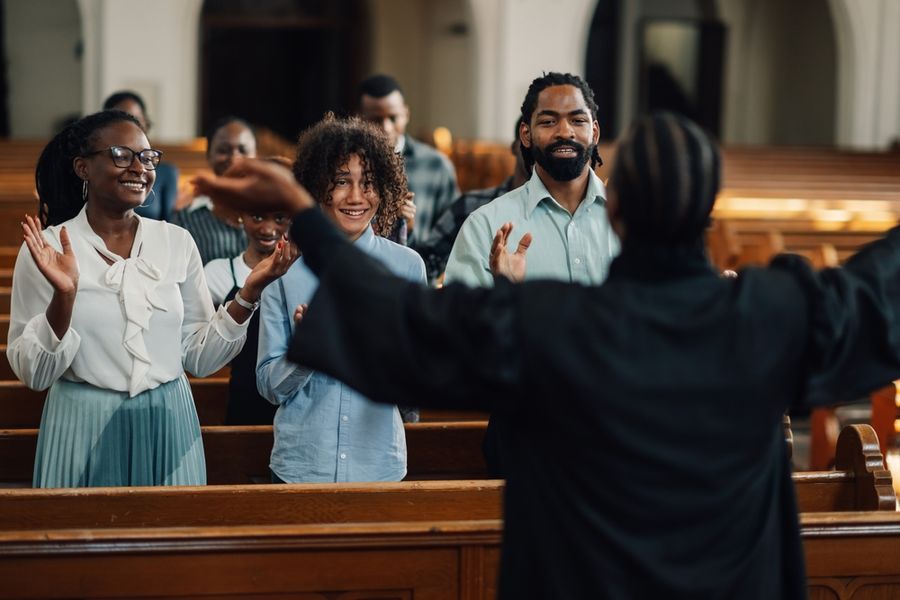
Finding a faith community that resonates with personal beliefs and lifestyle can be pivotal for spiritual growth and well-being. Such communities offer emotional and social support, fostering a sense of belonging and resilience. From self-reflection to active engagement, thoughtful steps can help individuals find and thrive within a faith community that enriches a spiritual journey.
The Importance of Finding a Faith Community
Finding a faith community that fits one's personal beliefs and lifestyle is a crucial aspect of spiritual growth and well-being. A supportive religious community offers not only spiritual enrichment but also emotional and social support, which can significantly enhance one's quality of life. Belonging to such a community fosters positive relationships and provides a sense of belonging, which is essential for personal development and resilience during challenging times (source).
Steps to Finding the Right Faith Community
The journey to finding a suitable faith community often begins with self-reflection and understanding one's own values and beliefs. This process can be both challenging and empowering, as it requires individuals to confront and overcome any negative perceptions they may have about "church shopping" (source). Asking key questions about a church's teachings, community engagement, and accessibility is essential in determining if it aligns with personal needs and values (source).
Accessibility is another critical factor to consider. This includes not only the physical proximity of the church but also the availability of online services that allow for regular participation. Additionally, evaluating opportunities for involvement based on personal gifts and passions can enhance one's sense of belonging and purpose within the community (source).
Building Community Beyond Traditional Settings
While traditional church settings are a common choice for many, it is important to recognize that faith communities can also be found outside of these environments. Many individuals have successfully built personalized faith communities by connecting with fellow believers in everyday life, beyond the confines of church buildings (source). This broader understanding of the global Church allows for a deeper connection with others and enriches one's spiritual journey.
Embracing theological differences and being open to diverse Christian perspectives can further strengthen one's faith community. This approach not only enriches one's understanding of God but also fosters a more inclusive and supportive environment for spiritual growth (source).
Engaging with a New Faith Community
Once a potential faith community is identified, active engagement is key to building meaningful relationships. Joining and investing in a local church, participating in small groups, and volunteering in church ministries are effective ways to connect with others and foster a sense of community (source). Hospitality, such as inviting people over for meals, is another powerful way to build relationships and form lasting friendships.
It is also important to assess the health of a religious community to avoid toxic environments. A healthy community should be accountable, uplifting, and life-giving, while a toxic one can cause spiritual, emotional, and physical harm (source).
Why You Should Learn More About Finding a Faith Community Today
Finding a faith community that aligns with personal beliefs and values is a significant step towards spiritual growth and well-being. It offers a supportive environment for personal development and resilience, fostering positive relationships and a sense of belonging. By actively engaging with a faith community, individuals can enhance their spiritual journey and contribute to a collective impact that surpasses individual capabilities. Whether through traditional church settings or personalized faith communities, the journey to finding a suitable faith community is a rewarding and enriching experience.