

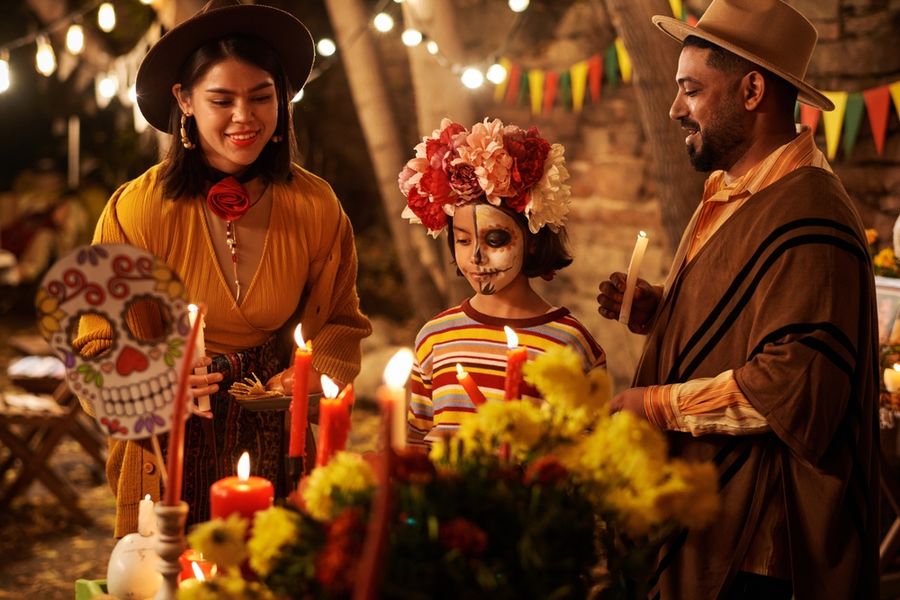
Death rituals across the globe offer a profound glimpse into cultural beliefs, serving as a bridge between the living and the deceased. From the vibrant Día de los Muertos in Mexico to the solemn Jesa in South Korea, cultural practices highlight a universal need for community, symbolism, and spiritual connection when honoring loved ones and processing grief. Their impact continues to shape societies worldwide.
Understanding Global Death Rituals
Death rituals are a profound reflection of cultural beliefs and practices, serving as a means to honor the deceased and support the grieving process. Across the globe, these rituals vary significantly, yet they share a common goal: to provide comfort and meaning to those left behind. In many cultures, death is not seen as an end but as a transition, a belief that is deeply embedded in their rituals and ceremonies. For instance, the Tibetan sky burial reflects the belief in the transmigration of spirits, where the body is returned to nature, symbolizing the soul's journey beyond this life (source).
Rituals Across Different Cultures
In Mexico, Día de los Muertos is a vibrant celebration that honors deceased loved ones through food, music, and colorful altars. This festival, deeply rooted in Indigenous traditions, emphasizes that death is a homecoming rather than an end, with families believing their loved ones return to share in the festivities (source). Similarly, Japan's Obon festival involves guiding ancestral spirits back to the living world with lanterns and traditional dances, maintaining a connection with spirits through respect and gratitude (source).
In contrast, Western societies have seen a decline in communal death rituals, with grief often becoming a private experience. This shift is attributed to historical events and cultural changes that led to the privatization of grief and a focus on individual coping mechanisms (source). However, the Victorian era marked a period where death and mourning were openly discussed and integrated into public culture, reflecting a societal acceptance of grief as a natural and prolonged process.
The Role of Community and Symbolism
Community support plays a crucial role in mourning rituals, providing emotional and practical support to those who are grieving. For example, the Laukava tradition in Tonga involves community support symbolized through the gifting of traditional mats, fostering a sense of solidarity and peace (source). Symbolism is also significant, with physical objects like decorated skulls and veils serving as tangible expressions of loss and remembrance.
In South Korea, the Jesa ritual is an annual event to honor ancestors with offerings and prayers, reinforcing the bond between the living and the dead. This practice highlights the importance of celebrating ancestors through regular acts of remembrance, maintaining a spiritual connection with the deceased (source).
Why You Should Learn More About Religion and Spirituality Today
Exploring the diverse ways in which different cultures honor the deceased offers valuable insights into the universal human experience of processing grief and loss. These rituals not only reflect cultural beliefs about the afterlife but also provide comfort and meaning to communities. Understanding these practices can enrich one's perspective on life and death, highlighting the importance of community, symbolism, and spiritual beliefs in the grieving process. Engaging with these traditions, whether through personal or communal rituals, can offer a sense of control and meaning in the face of loss, aiding in the healing process.