

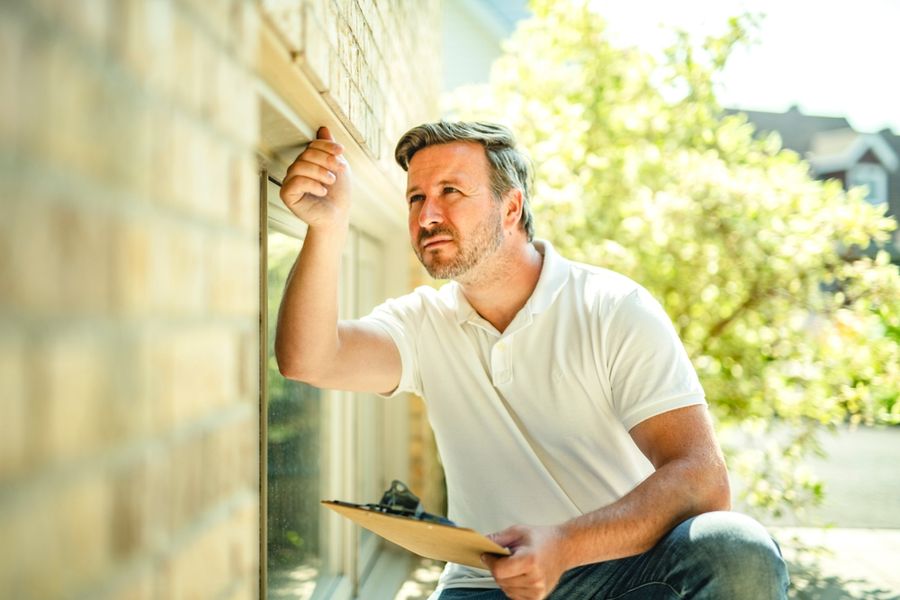
Home inspections play a pivotal role in real estate transactions, offering a thorough evaluation of a property's structure and systems. Identifying red flags such as structural issues, electrical and plumbing problems, and water damage can significantly impact negotiations and future costs. Understanding the critical aspects is key to ensuring a sound investment and a safe living environment.
Understanding Home Inspection Red Flags
Home inspections are a critical component of real estate transactions, providing a comprehensive visual review of a property's structure and key systems. These inspections help identify potential issues that could affect the safety, functionality, and value of a home. A detailed inspection report can serve as a powerful negotiation tool for buyers and sellers, allowing them to address necessary repairs or adjust the purchase price accordingly (source).
Structural and Foundation Concerns
Structural issues are among the most significant red flags during a home inspection. Indicators such as hairline cracks, misaligned doors, and sagging floors can suggest foundation problems, which may require costly repairs if not addressed early.
The cost of foundation repairs can range from $2,175 to $7,823, making it essential to identify and rectify these issues promptly (source). Consulting a structural engineer is often recommended to ensure the home is structurally sound (source).
Electrical and Plumbing Issues
Electrical problems are common in older homes and can pose significant safety risks. Issues such as aluminum wiring, outdated panels, and a lack of GFCI outlets in wet areas are frequently identified during inspections. Rewiring or replacing electrical panels can be costly but necessary to ensure safety and compliance with insurance requirements (source).
Similarly, plumbing issues, ranging from minor leaks to outdated piping materials like Polybutylene, can escalate if not addressed. Replacement costs can vary significantly, depending on the home's size and the type of pipes used (source).
Roofing and HVAC Systems
Roofing problems are another common finding during home inspections, especially in homes over ten years old. Missing shingles and structural damage can lead to water damage if not repaired promptly. The lifespan of traditional asphalt shingles ranges from 15 to 40 years, but harsh weather conditions can necessitate earlier repairs (source).
HVAC systems are also evaluated for efficiency and safety, with potential issues like carbon monoxide leaks being flagged. Replacement costs for HVAC systems can range from $5,000 to $12,000, making it crucial to assess their condition during an inspection (source).
Water Damage and Drainage
Water damage is a severe issue that can compromise a home's structural integrity and lead to mold growth. Signs of water damage include stains, musty odors, and visible mold. Proper drainage is essential to prevent such damage, with inspectors checking gutters and landscaping to ensure water is directed away from the foundation. Gutter installation costs can range from $624 to $1,705, making it a relatively affordable preventive measure (source).
Why You Should Learn More About Home Inspection Red Flags Today
Understanding the potential red flags in a home inspection is crucial for anyone involved in a real estate transaction. These inspections provide valuable insights into a property's condition, helping buyers make informed decisions and negotiate necessary repairs.
By being aware of common issues such as structural concerns, electrical and plumbing problems, roofing defects, and water damage, buyers can protect their investment and avoid costly surprises. Learning more about these red flags can empower buyers to address issues proactively, ensuring a safe and sound home purchase.