

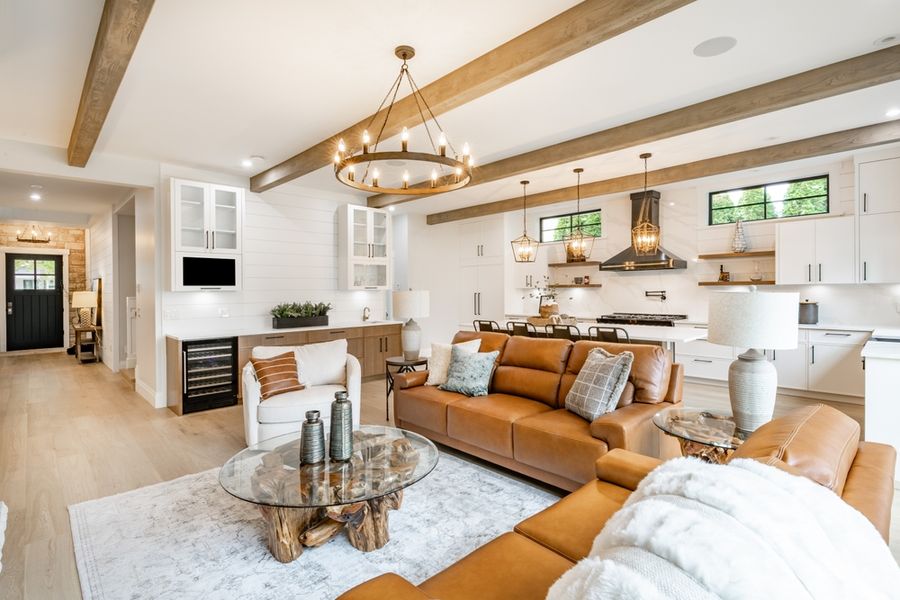
Home staging plays a pivotal role in expediting property sales and achieving favorable prices. By emphasizing a home's architectural features and creating an inviting atmosphere, staging helps potential buyers envision themselves in the space. From decluttering to enhancing curb appeal, understand how strategic staging techniques can transform a property into a buyer's dream home.
The Importance of Home Staging for a Quick Sale
Home staging is a critical strategy for anyone looking to sell their property quickly and at a favorable price. The primary goal of staging is to make each room feel open, light-filled, and welcoming, focusing on showcasing the house's features rather than personal style or decor.
This involves minimizing clutter and ensuring that the home's architectural features, such as hardwood floors and large windows, are highlighted (source). According to the National Association of Realtors, 81% of agents agree that staging makes it easier for buyers to imagine living in the home, which can significantly impact the speed and price of a home sale (source).
Key Staging Techniques
Effective staging involves a significant amount of decluttering and editing, with a focus on removing unnecessary items that crowd spaces. This includes removing personal items, excessive décor, and non-essential furniture to help potential buyers envision their life in the space, rather than being distracted by the current owner's belongings (source).
Simple staging tricks include clearing countertops in kitchens and bathrooms, simplifying surfaces like tables and bookshelves, and removing small rugs to create a sense of space and flow. These changes help potential buyers focus on the home's features rather than personal items (source).
Enhancing Curb Appeal
First impressions are crucial, and enhancing curb appeal is a vital part of the staging process. This includes repainting the front door, cleaning light fixtures, maintaining the lawn, and adding charming elements like potted plants and a new doormat (source). The exterior of the home is the first thing potential buyers see, and a well-maintained exterior can set a positive tone for the rest of the viewing.
Room-Specific Staging Tips
Each room in the house has specific staging needs. For example, kitchens should have clear counters with minimal decor, while living rooms should highlight spaciousness by removing unnecessary furniture and using light-colored accents (source). In dining areas, updating furniture and removing heavy drapery can modernize the space and highlight architectural features like crown molding and large windows (source).
Maintaining Cleanliness and Neutrality
A deep clean is non-negotiable for showcasing a well-maintained home. Key areas to focus on include windows, kitchens, bathrooms, and general dusting and vacuuming to ensure the home looks and smells fresh (source).
Neutralizing and modernizing the home helps create a blank slate for buyers. This involves swapping bold colors for neutral tones, updating hardware and fixtures, and removing personal memorabilia to avoid distractions (source).
Why You Should Learn More About Home Staging Today
Understanding the nuances of home staging can be the difference between a quick sale and a prolonged listing. By focusing on decluttering, enhancing curb appeal, and maintaining a clean and neutral environment, sellers can create a welcoming space that appeals to a wide range of buyers.
Each room should be staged with its unique features in mind, ensuring that potential buyers can envision themselves living in the home. As the real estate market continues to evolve, mastering the art of home staging remains a valuable skill for anyone looking to sell their property efficiently and profitably.