

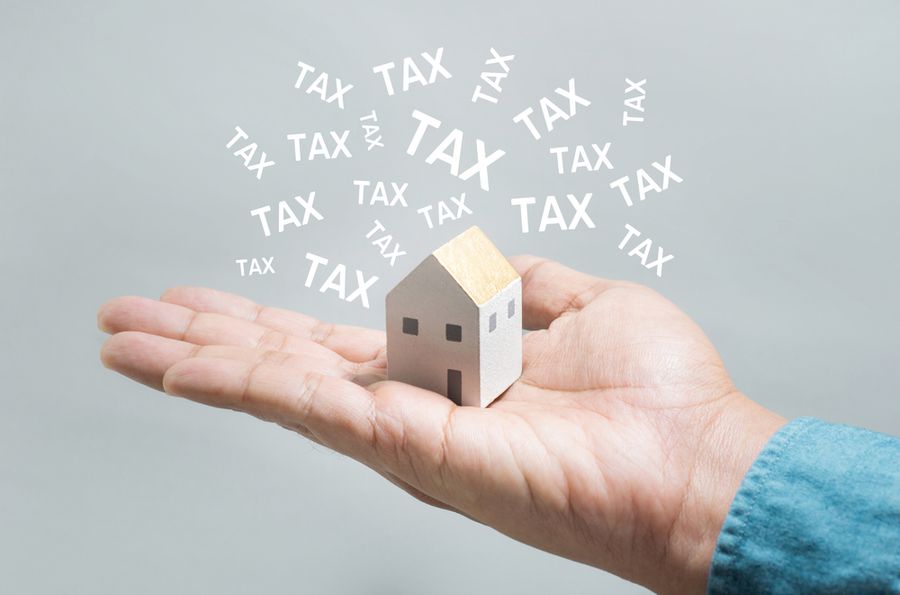
Property taxes play a significant role in the overall cost of homeownership, influencing monthly budgets and long-term financial planning. Property taxes fund vital local services while varying widely by location and property value. Understanding how property taxes are calculated, reduced through exemptions, and treated for federal tax purposes helps homeowners manage expenses more effectively.
Understanding Property Taxes: A Key Aspect of Homeownership
Property taxes are a fundamental component of homeownership, providing essential funding for local services such as schools, roads, and emergency services. These taxes are determined by local governments and are based on the assessed value of a property, which is typically a percentage of its market value.
The assessed value can be influenced by factors such as property condition and local market trends (source). Understanding how property taxes are calculated and managed is crucial for homeowners to effectively plan their finances.
Calculating Property Taxes
Property taxes are calculated by multiplying the assessed value of a property by the local tax rate, known as the millage rate. This rate determines the tax owed per $1,000 of property value (source).
For example, if a home is assessed at $200,000 and the local millage rate is 20 mills, the annual property tax would be $4,000. It's important for homeowners to be aware of their local millage rates and how they impact their tax obligations (source).
Property Tax Exemptions and Appeals
Many states offer property tax exemptions that can significantly reduce a homeowner's tax liability. Common exemptions include those for senior citizens, veterans, and primary residences. For instance, Florida's Homestead Exemption can lower the taxable value of a primary residence by up to $50,000, providing substantial savings on property taxes (source).
Homeowners also have the right to appeal their property tax assessments if they believe they are inaccurate. This process involves adhering to local guidelines and timelines for filing appeals, which can vary by location (source).
Paying Property Taxes
Property taxes are often paid through an escrow account linked to a homeowner's mortgage. This arrangement allows the mortgage lender to collect the tax amount monthly and pay the annual bill on behalf of the homeowner, preventing large one-time payments.
Alternatively, homeowners can choose to pay taxes directly, though lenders may require escrow accounts to ensure timely payments (source). Planning for property taxes is crucial, and setting aside funds monthly can help manage these payments effectively.
Federal Tax Deductions and Credits
Under federal tax law, mortgage interest and property taxes may be deductible, potentially reducing a homeowner's taxable income. However, the state and local tax deduction is capped at $10,000, and the increase in the standard deduction in 2017 means fewer people may benefit from itemizing deductions (source). Homeowners should consult with tax advisors to understand the impact of homeownership on their taxes, including potential deductions for mortgage interest, property taxes, and points paid at closing.
Why You Should Learn More About Property Taxes Today
Understanding property taxes is essential for homeowners to effectively manage their financial obligations and take advantage of potential savings through exemptions and deductions. By staying informed about local tax rates, assessment processes, and available exemptions, homeowners can better plan their budgets and ensure compliance with tax regulations.
Additionally, knowledge of federal tax deductions and credits can further enhance financial planning and reduce overall tax burdens. As property taxes play a critical role in funding community services, being well-versed in this area is beneficial for both personal financial health and community support.