

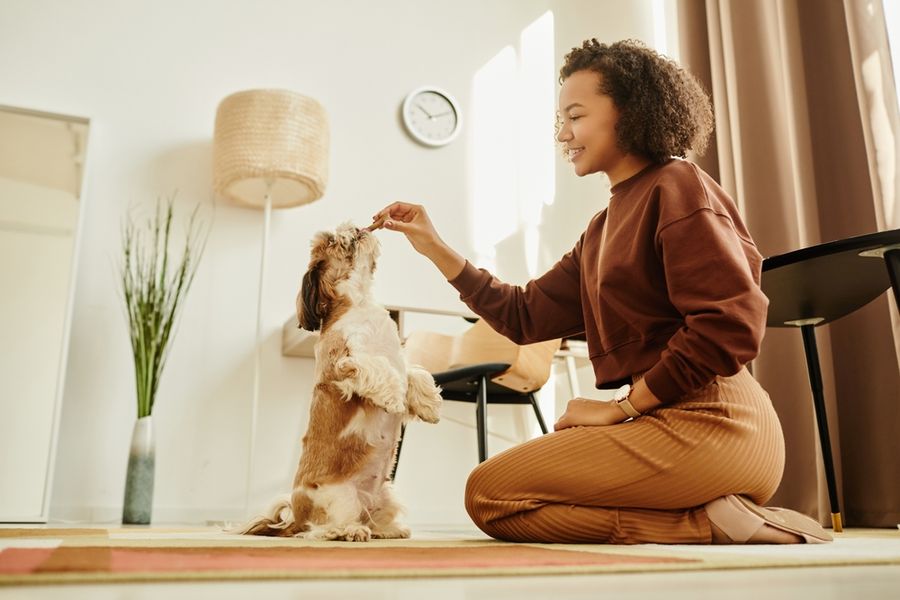
Welcoming a new puppy into the home is a joyful yet demanding experience, requiring an understanding of the emotional transition they undergo. From setting up a safe environment to initiating basic training and socialization, each step is vital in fostering a strong bond. Understand essential strategies to ensure a smooth and positive start for both puppy and owner.
Understanding the Emotional Transition for Puppies
Bringing a new puppy home is an exciting yet challenging experience. It's crucial to understand the emotional transition puppies undergo during their first week in a new environment.
This period can be likened to a toddler being taken from their family, which can be quite overwhelming for the puppy (source). New puppy parents should approach this phase with empathy and patience, managing their expectations accordingly.
Setting Up a Safe and Comfortable Environment
Preparation is key when welcoming a new puppy. Before the puppy arrives, ensure that all necessary supplies are ready, including a collar, ID, puppy food, bowls, leash, poop bags, and a crate with a comfy pad.
Puppy-proofing the home is essential to prevent accidents, which involves securing or removing hazards like electrical cords and cleaning supplies. Using baby gates can help limit the puppy's access to certain areas, ensuring a safe environment (source).
Initial Training and Socialization
The first week is crucial for starting basic training and socialization. Puppies sleep a lot, but their awake time should be utilized for training using positive reinforcement techniques.
Key training topics include attention, sit, the name game, coming when called, desensitization, and managing puppy biting. Short training sessions of 3-5 minutes are recommended to maintain the puppy's attention and make learning enjoyable (source).
Managing Human and Pet Interactions
Introducing a new puppy to existing pets and humans should be done gradually. Initially, keep the puppy and other pets in separate rooms, using calming techniques like snacks and music for resident animals.
Gradual introductions through barriers, such as baby gates, help both the new puppy and existing pets adjust at their own pace. Avoid overwhelming the puppy with too many people at once, allowing it to approach on its own terms (source).
Establishing a Routine and Crate Training
Creating a flexible daily routine is important for a puppy's development. Rotate the puppy between the crate, playpen, and supervised time on a leash, adjusting the schedule based on the puppy's needs.
Crate training should be introduced as a positive experience, with the crate being a safe space for the puppy to nap and relax. Avoid responding to barking or scratching to prevent reinforcing these behaviors (source).
Why You Should Learn More About Puppy Training
Training a puppy in the first week is a rewarding yet demanding task that sets the foundation for a well-behaved and happy pet. Understanding the emotional transition, setting up a safe environment, and initiating basic training are crucial steps in this journey.
By approaching this process with empathy and patience, new puppy parents can foster a strong bond with their furry friend. Learning more about puppy training techniques and strategies can help ensure a smooth transition and a positive experience for both the puppy and the owner.