

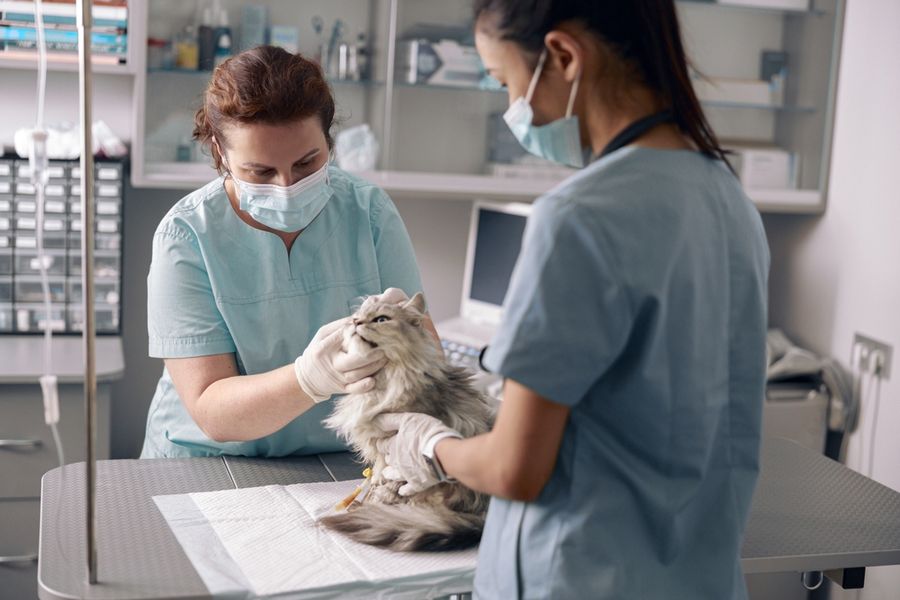
Recognizing when a pet requires veterinary attention is vital for their health and well-being. From changes in eating habits to emergency symptoms like breathing difficulties, understanding signs can prevent serious health issues. Regular check-ups and preventive care further ensure pets lead long, healthy lives. Understand the key indicators and preventive measures every pet owner should know.
Recognizing When Your Pet Needs Veterinary Attention
Pets, much like humans, can experience a range of health issues that require professional attention. Recognizing the signs that indicate a pet needs to see a veterinarian is crucial for ensuring their well-being.
Changes in eating habits, such as a pet skipping meals for more than two days, can be a significant indicator of underlying health issues. This behavior warrants a visit to the vet, as it could signal problems ranging from dental issues to more serious conditions like gastrointestinal blockages (source).
Common Symptoms Indicating Health Issues
Several symptoms can indicate that a pet is experiencing health problems. Excessive thirst, for instance, may suggest conditions such as kidney disease or diabetes. Monitoring a pet's water intake and noticing any excessive drinking or urination can help identify when a vet visit is necessary (source). Additionally, changes in a pet's coat, such as dullness or bald patches, can signal dietary issues, allergies, or skin diseases, prompting a veterinary examination.
Eye health is another critical area. Symptoms like red or cloudy eyes, unusual discharge, or squinting can indicate infections or injuries. Immediate veterinary attention is advised as eye conditions can worsen quickly (source). Similarly, persistent vomiting, especially if accompanied by blood or other symptoms like lethargy and diarrhea, requires immediate veterinary consultation.
Emergency Situations Requiring Immediate Care
Recognizing signs of a veterinary emergency is crucial for pet owners. Symptoms such as breathing difficulties, excessive vomiting or diarrhea, a distended abdomen, trauma, ingestion of foreign objects, seizures, difficulty urinating, and not eating or drinking for over 24 hours are indicators that a pet needs immediate veterinary attention. Breathing difficulties, for example, can indicate serious issues like oxygenation problems or internal bleeding, necessitating an emergency vet visit.
Ingestion of foreign objects can cause intestinal blockages, which are potentially fatal and require prompt veterinary intervention. Similarly, seizures in pets, characterized by muscle contractions or loss of consciousness, necessitate contacting a vet for immediate evaluation and care. Difficulty urinating can indicate serious health issues like bladder stones or inflammation, and should be addressed by an emergency vet.
Preventive Care and Regular Check-Ups
Regular vet visits are crucial for both cats and dogs to ensure they live long, healthy, and comfortable lives. Preventive care helps catch small health issues before they become significant problems, which can be more challenging and costly to treat (source). Cats often hide signs of pain or illness, making routine checkups essential. Regular vet visits can help detect potential health issues early, especially since cats tend to visit the vet less frequently than dogs.
Dogs also benefit from regular wellness exams, which include checks for heartworm, fleas, ticks, weight, joint health, and vaccinations. These exams are vital for early disease detection and maintaining overall well-being. The frequency of vet visits varies by life stage for both cats and dogs. Kittens and puppies require frequent visits for vaccinations and preventive care, while adult and senior pets benefit from regular checkups to monitor health and manage age-related conditions.
Why You Should Learn More About Pet Health
Understanding the signs that indicate a pet needs veterinary attention is essential for any pet owner. Early detection and treatment of health issues can lead to better outcomes and ensure that pets live long, healthy lives.
Regular veterinary check-ups and prompt attention to symptoms are recommended to ensure pet well-being. By staying informed and prepared, pet owners can provide the best care for their furry companions, ensuring their comfort and longevity.