

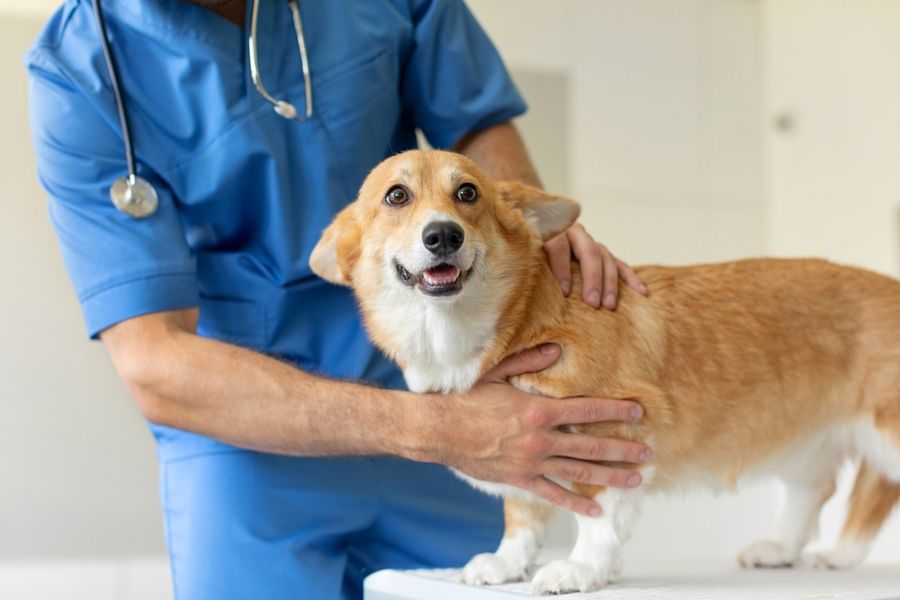
Recognizing when a dog needs veterinary care is essential for maintaining their health and well-being. From frequent vomiting to changes in behavior, understanding the signs can prevent serious health issues. Regular checkups and attentiveness to symptoms ensure a longer, healthier life for pets. Understand the key indicators and proactive steps to safeguard your furry friend's health.
Recognizing Signs Your Dog Needs Veterinary Attention
Dogs, like humans, can experience a range of health issues that require professional attention. Recognizing the signs that indicate a need for veterinary care is crucial for maintaining your dog's health and well-being.
Regular veterinary checkups are essential for extending the lifespan and improving the health of pets. Routine visits can help identify potential health issues early and prevent diseases from developing, ensuring pets enjoy a longer, healthier life with their owners (source).
Common Symptoms Indicating a Vet Visit is Needed
One of the most common signs that a dog needs to see a vet is frequent vomiting, especially if it is severe or accompanied by blood. This can range from mild to potentially life-threatening conditions, and immediate veterinary attention is necessary (source). Similarly, difficulty breathing, characterized by widened eyes, pale or bluish gums, and heaving motions, is a medical emergency that requires urgent care.
Changes in a dog's eyes, such as redness, cloudiness, or swelling, can indicate serious issues. If the dog is squinting, pawing at their eyes, or if the eyes appear bulging, immediate veterinary attention is needed (source). Additionally, bleeding from minor wounds, larger cuts, or in urine, stool, or vomit should be evaluated by a vet.
Behavioral and Physical Changes to Monitor
Behavioral changes such as weakness, inactivity, and lethargy can be signs of illness. If these symptoms are accompanied by vomiting or imbalance, a vet visit is necessary. Monitoring for 24-48 hours is advised if the dog is otherwise normal (source). Loss of appetite and weight loss can also indicate serious health issues, especially if these symptoms are present with vomiting.
Difficulty or inability to walk, particularly if it occurs suddenly, requires immediate veterinary attention. Dogs with long bodies, like Dachshunds, are at higher risk for back issues affecting mobility. Changes in thirst, such as excessive or reduced drinking, can signal health problems. Monitoring urine color and frequency can help determine if a vet visit is needed (source).
Trusting Your Instincts as a Pet Owner
Beyond visible symptoms, a sudden sense that something is “off” with your dog should not be ignored. Pet owners are often the first to notice subtle changes, such as altered routines, unusual vocalizations, or shifts in personality that may not immediately appear serious. These early cues can be valuable indicators of underlying health issues.
When in doubt, contacting a veterinarian for guidance can help determine whether monitoring at home or scheduling an exam is the safest next step, reinforcing the importance of intuition alongside observable symptoms.
Why You Should Learn More About Pet Health
Understanding the signs that indicate your dog needs to see a vet is vital for ensuring their health and longevity. Regular checkups and being attentive to changes in behavior, appetite, and physical condition can help catch potential health issues early.
By staying informed and proactive, pet owners can provide the best care for their furry companions, ensuring they lead happy and healthy lives. Learning more about pet health can empower owners to make informed decisions and seek timely veterinary care when necessary.