

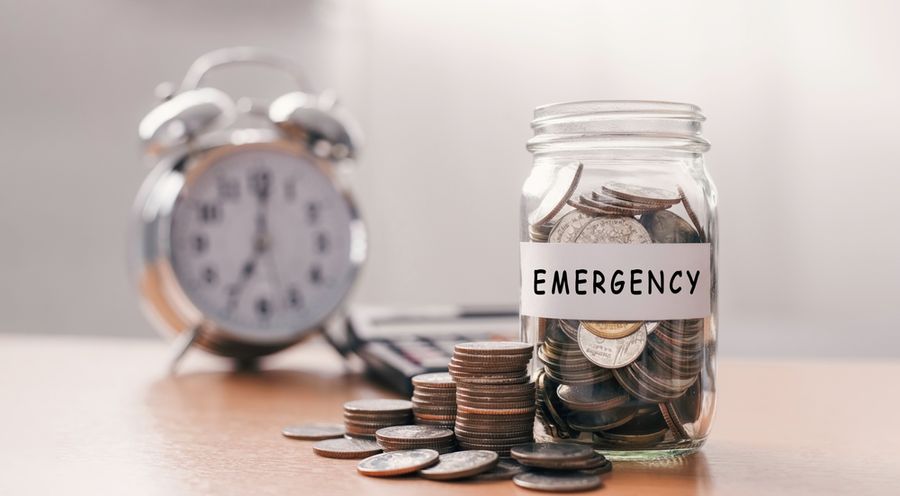
An emergency fund serves as a vital financial buffer against unforeseen expenses, helping protect individuals from debt accumulation. Understanding its importance, determining an appropriate savings amount, and applying effective strategies all play key roles in building a reliable safety net. Account selection and ongoing maintenance support long-term stability, contributing to greater financial confidence in an ever-changing economic environment.
Understanding the Importance of an Emergency Fund
An emergency fund is a crucial financial safety net designed to cover unexpected expenses such as car repairs, medical bills, or sudden loss of income. It plays a vital role in maintaining financial stability by preventing reliance on credit cards or loans, which can lead to debt accumulation (source). The peace of mind that comes with having an emergency fund cannot be overstated, as it allows individuals to manage financial emergencies effectively without derailing their financial plans (source).
Determining the Right Amount for Your Emergency Fund
The amount needed in an emergency fund varies based on individual circumstances, such as job security and income stability. Financial experts generally recommend saving enough to cover three to six months of living expenses. For instance, if monthly expenses are $3,000, the fund should range between $9,000 and $15,000 (source). As individuals approach retirement, it is advisable to aim for a fund that covers one to two years of expenses to account for potential income fluctuations (source).
Strategies for Building an Emergency Fund
Building an emergency fund can be achieved through various strategies. Initiating savings with small, regular contributions can prevent financial strain and help establish a consistent saving habit. Identifying and cutting back on non-essential expenses can facilitate this process (source). Automating savings by setting up direct deposits into a separate account can simplify the saving process and reduce the temptation to spend the money (source).
Choosing the Right Account for Your Emergency Fund
Where to keep an emergency fund is an important consideration for accessibility and security. Options include traditional savings accounts, high-yield savings accounts, money market accounts, and short-term CDs. Each option offers different benefits, such as safety, liquidity, and competitive interest rates, which are essential for maintaining the fund's value over time (source). Money market accounts, for example, provide higher interest rates and easy access, making them a popular choice for emergency funds (source).
Maintaining and Replenishing Your Emergency Fund
Once the emergency fund goal is reached, it is crucial to maintain and replenish it after use to ensure preparedness for future unexpected events. Sticking to a budget and savings schedule aids in maintaining a robust emergency fund (source). Additionally, balancing debt repayment with emergency fund savings is important. Prioritizing debt reduction, especially high-interest debt, can prevent financial losses that negate the benefits of an emergency fund (source).
Why You Should Learn More About Building an Emergency Fund Today
Building an emergency fund is a fundamental step towards achieving financial security and peace of mind. By understanding the importance of an emergency fund, determining the right amount to save, and implementing effective saving strategies, individuals can protect themselves from unexpected financial challenges. Choosing the right account and maintaining the fund are equally important to ensure its effectiveness. As financial landscapes continue to evolve, staying informed and proactive about personal finance strategies, such as building an emergency fund, is essential for long-term financial well-being.