

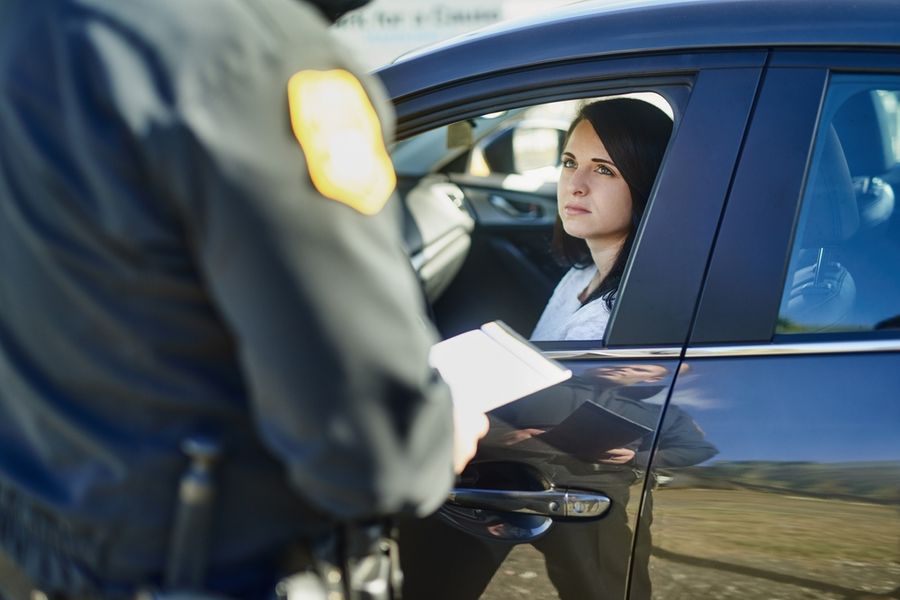
Traffic stops are a routine yet significant interaction between the public and law enforcement, where understanding personal rights can support a safe and respectful experience. From recognizing the basis of a stop to asserting legal protections appropriately, clear knowledge of procedures and strategies helps individuals handle traffic encounters with confidence and clarity.
Understanding Your Rights During a Traffic Stop
Traffic stops are a common interaction between law enforcement and the public. Understanding your rights and the procedures involved can help ensure a safe and respectful encounter.
Law enforcement officers initiate traffic stops based on "reasonable suspicion," which involves specific, articulable facts such as observed traffic violations or erratic driving patterns. It is important to note that stops cannot be based solely on hunches or racial profiling (source).
What to Do When Stopped by Law Enforcement
When you see emergency lights, it is crucial to remain calm, activate your turn signal, and pull over safely. Once stopped, turn off the engine, stay in the vehicle unless instructed otherwise, and keep your hands visible. At night, turning on interior lights can improve visibility for both you and the officer.
Communication is key; lower your window for better interaction and inform the officer of any weapons in the vehicle. Wait for instructions before reaching for documents like your driver’s license, proof of insurance, and vehicle registration (source).
Understanding Your Legal Rights
During a traffic stop, you have several fundamental rights. You have the right to remain silent beyond providing basic identification and the right to refuse vehicle searches without a warrant or probable cause. Additionally, you are allowed to record the interaction as long as it does not interfere with police duties.
Officers may use the opportunity to conduct a "plain view search" and ask casual questions to gather information. It is important to be aware of these tactics and understand how to assert your rights effectively (source).
Officer Discretion and Documentation
Officers have discretion in deciding whether to issue a ticket or a warning, influenced by factors such as driver demeanor and local enforcement priorities. They document various aspects of the encounter, including driver behavior and vehicle condition, which can impact the outcome of the stop.
If there are questions or disagreements, it is advisable to respectfully ask for clarification or contest the decision in court rather than arguing on the spot. Signing a traffic ticket is not an admission of guilt, but refusal to sign may lead to arrest (source).
Protecting Your Rights and Ensuring Safety
To protect your rights during a traffic stop, it is advised to pull over safely, stay in your vehicle, keep hands visible, and remain polite. Avoid sudden movements and document the encounter as soon as possible. If you believe your rights have been violated, consulting an attorney is recommended.
While the responsibility for de-escalation primarily lies with police officers, individuals can take steps to reduce risk by staying calm, avoiding hostility, and clearly communicating. However, it is important to be aware that not all officers may respect those rights, underscoring the need for both legal knowledge and situational awareness during police interactions (source).
Why You Should Learn More About Your Rights During Traffic Stops Today
Understanding your rights during a traffic stop is crucial for ensuring your safety and protecting your legal rights. While law enforcement officers are required to follow certain protocols, being informed about your rights and how to assert them effectively can make a significant difference in the outcome of a traffic stop.
By staying informed, individuals can better navigate these encounters and protect themselves from potential legal issues. It is essential to continue learning about these rights and the procedures involved to ensure a safe and respectful interaction with law enforcement.