

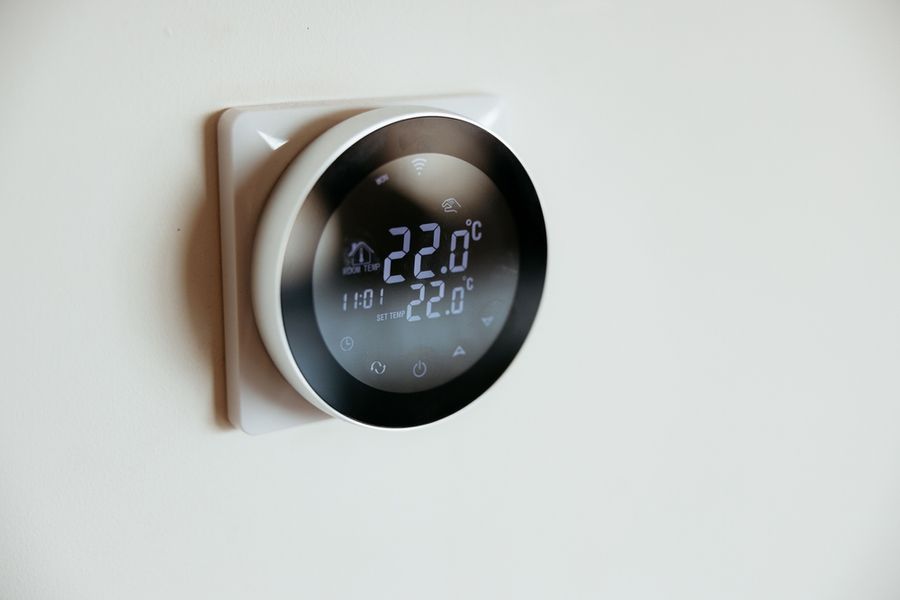
The rapid expansion of the global smart home market is transforming how homeowners manage energy consumption. Driven by the pursuit of comfort, personalization, and energy efficiency, smart devices like thermostats and lighting solutions are revolutionizing utility savings. Understand how smart innovations can lead to significant financial and environmental benefits.
The Rise of Connected Home Appliances
The global smart home market is experiencing rapid growth, with projections indicating that the number of smart homes will surpass 670 million by 2027 (source). This surge is largely driven by the desire for enhanced comfort, personalization, improved security, and notably, energy efficiency.
Energy efficiency is a key motivator for consumers looking to lower their utility bills, making smart home technology an attractive option for many homeowners.
How Smart Devices Lower Utility Bills
Smart home technologies, such as smart thermostats and solar panels, are revolutionizing energy management by automating and optimizing energy use. These devices help consumers lower utility bills while supporting sustainability goals. Smart thermostats, for instance, reduce energy consumption by learning user preferences and participating in demand response programs for additional savings (source).
Smart lighting solutions, including smart bulbs and in-wall light switches, offer significant energy savings by utilizing LED technology and automation. Smart bulbs consume 75% less energy than traditional incandescent bulbs and can be scheduled or triggered by motion sensors to maximize efficiency (source).
Optimizing Energy Use with Smart Technology
Integration and automation of smart home devices, such as smart thermostats and occupancy sensors, can significantly increase energy efficiency. Automation through schedules and machine learning can further reduce energy waste, contributing to lower utility bills. Additionally, smart plugs and power strips help eliminate "vampire" energy consumption from devices that draw power even when not in use, reducing overall energy consumption by 5% to 10% (source).
Energy monitoring systems provide real-time insights into appliance energy use, helping consumers identify high-consumption devices and encouraging behavior change to reduce energy bills. This proactive approach can lead to better management of energy use and reduced utility costs (source).
Smart Water Management and Energy-Efficient Upgrades
Smart water management tools, like leak sensors and smart sprinkler controllers, help conserve water by detecting leaks early and optimizing irrigation schedules based on weather data. This reduces unnecessary water usage and prevents costly water damage (source).
Energy-efficient upgrades, such as ENERGY STAR-rated appliances and LED lighting, form the foundation of effective home energy management. These upgrades reduce energy use and increase home value, making them a wise investment for homeowners looking to lower their utility bills (source).
Why You Should Learn More About Connected Home Appliances
Connected home appliances offer a promising solution for reducing utility bills and enhancing energy efficiency. By integrating smart devices, homeowners can achieve long-term savings while enjoying the convenience and security that these technologies provide.
As the smart home market continues to grow, understanding how to optimize energy use with these devices becomes increasingly important. Exploring the potential of smart home technology can lead to significant financial savings and contribute to a more sustainable future.