

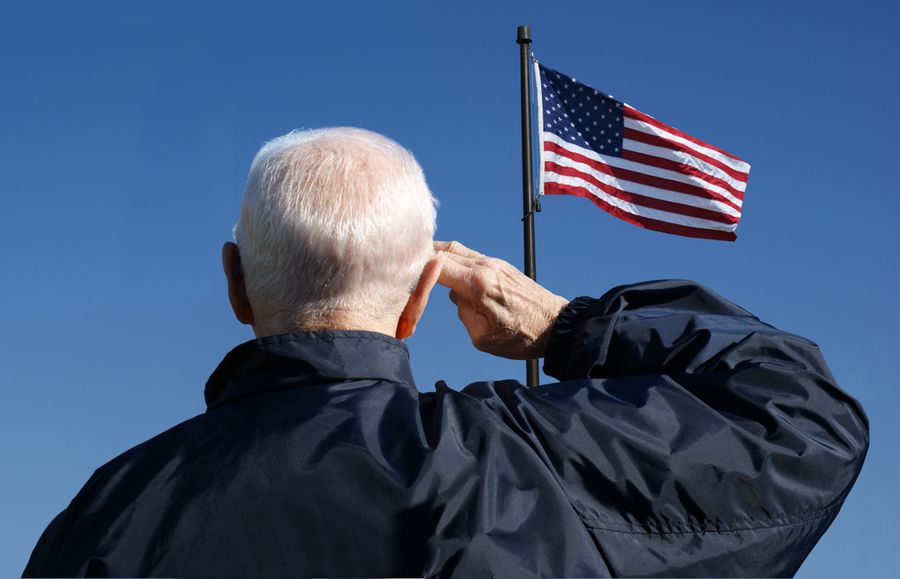
Memorial Day, observed on the last Monday of May, is a day of profound significance, honoring the brave men and women who have sacrificed their lives in military service. From its origins after the Civil War to its modern-day traditions, the solemn occasion fosters national unity and pride. Understand the rich history, traditions, and broader impact of Memorial Day.
The Origins and Significance of Memorial Day
Memorial Day, observed on the last Monday of May, is a solemn occasion dedicated to honoring the men and women who have sacrificed their lives in military service to the United States. This day serves as a poignant reminder of courage, sacrifice, and national pride (source).
The origins of Memorial Day can be traced back to the aftermath of the Civil War. In 1868, General John A. Logan called for a nationwide day of remembrance, initially known as Decoration Day, to honor fallen soldiers by decorating their graves with flowers and flags (source).
Traditions and Observances
Memorial Day traditions include parades and ceremonies across the nation, featuring marching bands, veterans, and military units. These events foster a sense of unity and pride, with speeches and moments of silence to honor the sacrifices of service members (source).
A key tradition is the annual ceremony at Arlington National Cemetery, where a small American flag is placed on each grave, and the President or Vice President lays a wreath at the Tomb of the Unknown Soldier (source). Additionally, the National Moment of Remembrance Act, signed in 2000, encourages all Americans to observe a moment of silence at 3:00 p.m. local time on Memorial Day to honor those who have died in military service (source).
Memorial Day's Broader Impact
Beyond honoring the fallen, Memorial Day also emphasizes supporting living veterans and their families. Many organizations provide assistance such as mental health support, job training, and housing. Community events and fundraisers encourage citizens to engage in these efforts (source).
The holiday holds deep meaning for veterans and military families, serving as a solemn reminder of the sacrifices made by service members. It is a day for reflection and remembrance, rather than celebration, emphasizing the importance of honoring those who have died in service to the country (source).
Teaching Memorial Day’s Meaning to Future Generations
Passing on the true meaning of Memorial Day to younger generations is an important part of preserving its significance. Families and educators can use the day as an opportunity to discuss the difference between Memorial Day and other military observances, such as Veterans Day, emphasizing remembrance rather than celebration.
Visiting memorials, sharing stories of service members, or participating in local ceremonies can help contextualize the sacrifices behind the holiday. These intentional conversations ensure that Memorial Day remains a meaningful act of remembrance rather than simply a long weekend.
Why You Should Learn More About Memorial Day
Understanding the history and significance of Memorial Day is crucial for appreciating the sacrifices made by military personnel. This day is not just a holiday but a time to reflect on the courage and dedication of those who have served the nation.
By participating in Memorial Day activities and supporting veterans and their families, individuals can contribute to preserving the legacy of honor and courage that this day represents. Engaging in acts of kindness, volunteering, and advocating for veterans' rights are meaningful ways to honor the spirit of Memorial Day and ensure that its significance is passed on to future generations.