

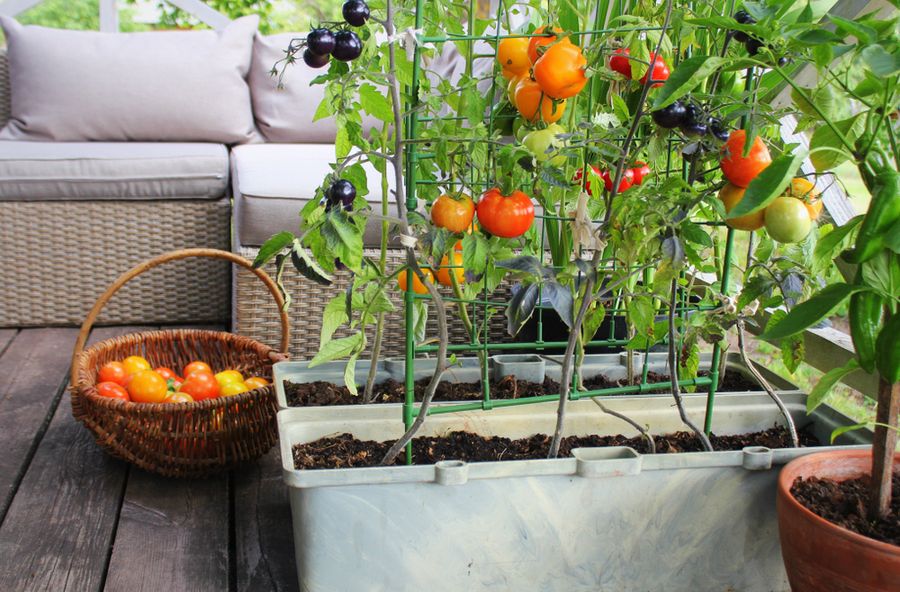
Small-space gardening transforms limited areas into lush, productive environments through strategic design and innovative techniques. By utilizing vertical space, employing raised beds, and selecting compact plant varieties, even the smallest urban settings can yield abundant produce. Understand how key methods can enhance gardening experiences, offering fresh food and sustainability in the most confined spaces.
Designing for Small Spaces
Gardening in small spaces requires a strategic approach to maximize both visual appeal and plant productivity. One effective method is to design with height in mind, utilizing vertical space to create a lush environment without occupying much ground space.
This can be achieved by planting trees, bushes, or vines that grow upwards, such as ivy along fences or grapevines on fire escapes. Support structures like DIY bamboo tepees can guide plant growth upwards, making the most of limited space (source).
Maximizing Yield with Innovative Techniques
To increase the yield of produce in small spaces, techniques such as raised beds and square-foot gardening can be employed. Raised beds help prevent weeds, water runoff, and soil compaction, allowing for efficient use of resources like water and fertilizer. This method can increase the yield by up to 10 times compared to traditional row planting.
Additionally, succession planting keeps gardens productive by having seedlings ready to replace harvested crops, particularly effective with quick-maturing vegetables like radishes and salad greens (source).
Utilizing Vertical and Intensive Planting
Vertical gardening is a space-saving technique that involves growing plants upwards using structures like trellises or fences. This method is suitable for vining plants such as cucumbers, tomatoes, peas, and pole beans, which can be trained to grow vertically.
Intensive planting techniques, such as those introduced by John Jeavons and Mel Bartholomew, maximize yield in small spaces by planting crops in tightly spaced geometric patterns. This creates a living mulch that retains moisture and suppresses weeds, enhancing plant growth (source).
Choosing the Right Plants and Techniques
For small-space gardening, selecting compact or dwarf varieties of plants is essential. These varieties, such as 'Alibi' cucumber or 'Totem' tomato, are specifically bred to thrive in limited spaces, making them ideal for container gardening or small plots.
Companion planting, which involves pairing plants with different root depths or nutrient needs, can also minimize competition and maximize growth. Examples include pairing shallow-rooted bush beans with deep-rooted beets, or heavy feeders like cabbage with light feeders like carrots (source).
Creative Solutions for Urban Environments
In urban environments, small-space gardening can be a fun and productive hobby. Utilizing available space creatively, such as using window boxes or container gardening, allows for the growth of vegetables and herbs even in apartments or small yards.
Fertile soil is crucial for successful small-space gardening, and improving soil quality with organic compost, lime, and bone meal can enhance plant growth. Even in limited spaces, composting options like micro-composting can be effective (source).
Why You Should Learn More About Small-Space Gardening
Small-space gardening offers a rewarding opportunity to grow one's own food, control what goes into it, and save on grocery costs. Whether utilizing a kitchen window sill, balcony, or small city lot, individuals can start a garden and enjoy the benefits of fresh produce.
By employing techniques such as vertical gardening, intensive planting, and choosing the right plant varieties, even the smallest spaces can become productive gardens. Exploring these methods further can lead to a more sustainable and fulfilling gardening experience.