

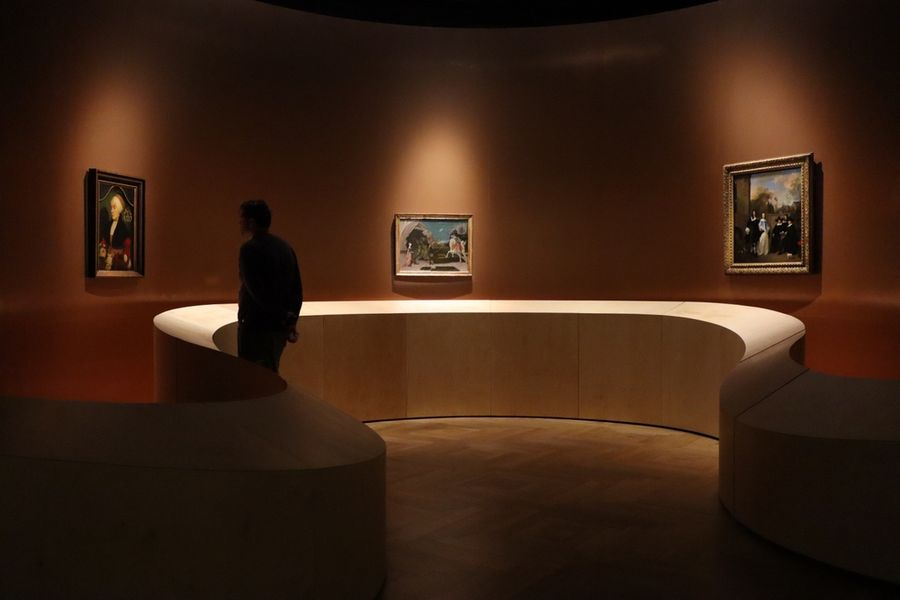
Throughout history, women artists have often been overshadowed, their contributions overlooked or misattributed to male counterparts. This narrative is gradually changing as the art world begins to recognize and celebrate the unique talents and perspectives of female artists. By learning about their stories and works, a more inclusive and accurate understanding of art history emerges, challenging traditional narratives and inspiring future generations.
The Historical Underrepresentation of Women Artists
Throughout art history, women artists have often been overshadowed by their male counterparts, leading to a significant underrepresentation in the art world. This historical neglect is gradually being addressed as more female artists are rediscovered and their contributions reassessed.
Many talented women were overlooked or had their works mistakenly attributed to male artists, but this narrative is slowly changing (source). The need to recognize and celebrate the contributions of these women is crucial for a more inclusive understanding of art history (source).
Notable Women Artists Who Deserve More Recognition
Judith Leyster, a successful painter of the Dutch Golden Age, is one such artist whose works were mistakenly attributed to male artists like Frans Hals. Her lively and expressive style, often featuring musicians and children, is now recognized for its unique contribution to art history (source).
Similarly, Rosa Bonheur, a 19th-century French painter known for her realistic animal depictions, faced societal challenges due to her unconventional lifestyle. Despite her success, she was overlooked in later art history, but her works are now celebrated for their detail and dynamic compositions (source).
Artemisia Gentileschi, a pioneering Baroque painter, is celebrated for her powerful portrayals of biblical and mythological scenes. Her work, such as Judith Beheading Holofernes, reflects her resilience and personal struggles, often overshadowed by male counterparts like Caravaggio (source).
Hilma af Klint, an avant-garde artist, explored spirituality and abstract art long before it became mainstream. Her series The Paintings for the Temple showcases her visionary talent and was intended to be displayed posthumously, highlighting her forward-thinking approach (source).
The Importance of Recognizing Female Artists
Recognizing and celebrating the contributions of women artists is essential for a more inclusive understanding of art history. By bringing attention to these artists, there is an opportunity to inspire a reevaluation of art history and encourage greater appreciation and recognition of female artists who have not received the acknowledgment they deserve (source). This effort is part of a broader movement to diversify the narrative around art history and ensure that the contributions of women artists are acknowledged and celebrated (source).
Efforts like the ARTIST / MUSE show at The Omnibus Theatre, which highlights ten underrated female artists, aim to create conversations and inspire change by spotlighting these women's contributions to art history (source). Such initiatives challenge the traditional art historical canon that has predominantly focused on male artists and advocate for a more inclusive understanding of art history that recognizes the diverse voices and talents of women artists (source).
Why You Should Learn More About Women Artists Today
Understanding the contributions of women artists is crucial for a comprehensive appreciation of art history. These artists have not only enriched the art world with their unique perspectives and talents but have also challenged societal norms and gender biases.
By learning more about these women, art enthusiasts and scholars can gain a deeper understanding of the diverse and impactful works that have shaped the art world. Recognizing the achievements of women artists is an important step toward achieving gender equality in the arts and ensuring that their legacies are preserved for future generations.