

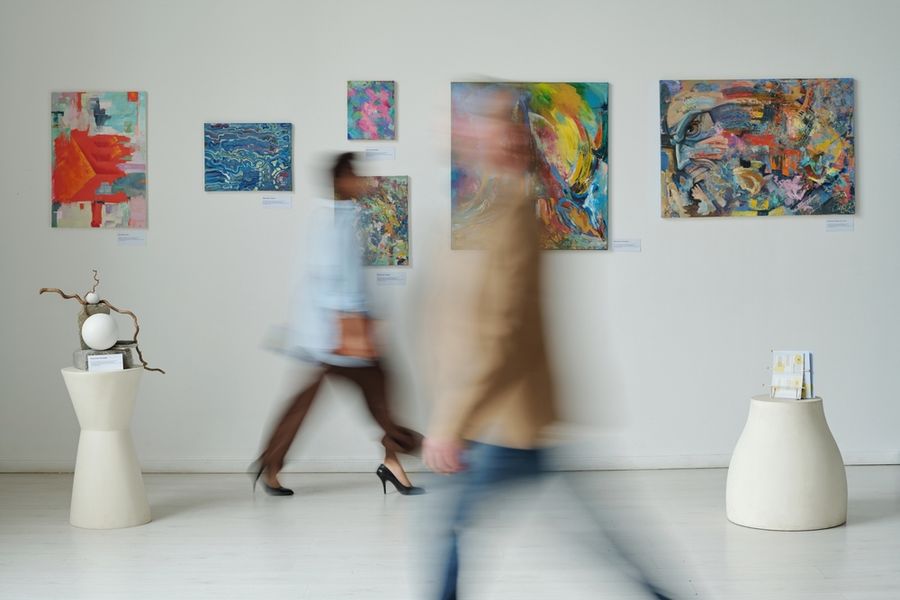
Modern art, born from the societal upheavals of the late 19th and early 20th centuries, challenges traditional artistic norms with its focus on innovation and emotional depth. From Impressionism to Pop Art, each movement offers unique perspectives and interpretations. Understanding the rich tapestry of modern art will help you uncover its profound impact on culture and personal expression.
Understanding Modern Art: A Beginner's Guide
Modern art, a term that encompasses a wide range of artistic styles and movements, emerged as a response to the dramatic changes in society from the 1860s to the 1970s. This period was marked by significant social and technological transformations, including the Industrial Revolution and the world wars, which influenced artists to break away from classical traditions. Modern art is characterized by its emphasis on innovation, emotion, and cultural reflection, challenging traditional notions of art and encouraging viewers to engage with the artwork on a deeper level (source).
Key Concepts and Movements in Modern Art
One of the defining features of modern art is its focus on expression over representation. Artists prioritize conveying emotion and personal perspective rather than striving for precise realism. This approach often involves abstraction, where subjects are distilled into shapes, colors, and lines.
Key movements that have shaped modern art include Impressionism, Cubism, Surrealism, Abstract Expressionism, and Pop Art. Each of these movements introduced new ways of seeing and interpreting art, from capturing fleeting moments to exploring dreams and consumer culture (source).
The Role of Modernism in Art
Modernism, a significant aspect of modern art, emerged as a response to the complexities and contradictions of modern society. Originating in nineteenth-century France, modernism was characterized by its experimentation with subject matter and style, challenging traditional artistic norms.
The avant-garde movement, which began in France, sought to represent the experiences of the common people rather than the ruling classes, leading to the development of Realism and other modernist movements. The city became a central theme in modernist art, symbolizing modernity with its rapid pace, technological advancements, and urban culture (source).
Appreciating Modern Art
Appreciating modern art involves more than just viewing it; it requires understanding the context and history of the movements. Developing an eye for modern art means closely observing the artwork to understand the artist's intentions and looking beyond surface impressions to decipher deeper meanings.
This process includes examining patterns, textures, and visual elements to connect with the artwork. Learning about the artist's background, influences, and creative process can provide a deeper understanding of their work and the context in which it was created (source).
The Practice of Slow Looking
Slow looking is an approach to art appreciation that encourages spending extended time with an artwork to form a personal connection and make unique discoveries. This method contrasts with the typical brief engagement most visitors have in galleries.
Slow looking is not prescriptive; it allows individuals to explore art on their own terms without guidance from curators or artists. This approach emphasizes personal interpretation and connection with the artwork. The practice can be applied to any type of artwork, encouraging viewers to notice details and elements that might be missed in a quick glance (source).
Why You Should Learn More About Modern Art Today
Modern art remains a vital part of cultural literacy, reflecting societal changes and offering freedom of expression and interpretation. By engaging with modern art, individuals can connect with human stories and explore the shared humanity that art represents.
Whether through museums, galleries, or public art installations, modern art invites participation and exploration, encouraging curiosity and openness. Understanding modern art not only enriches the viewing experience but also fosters a deeper connection with the artworks, making it an accessible and engaging field for both art enthusiasts and aspiring artists.