

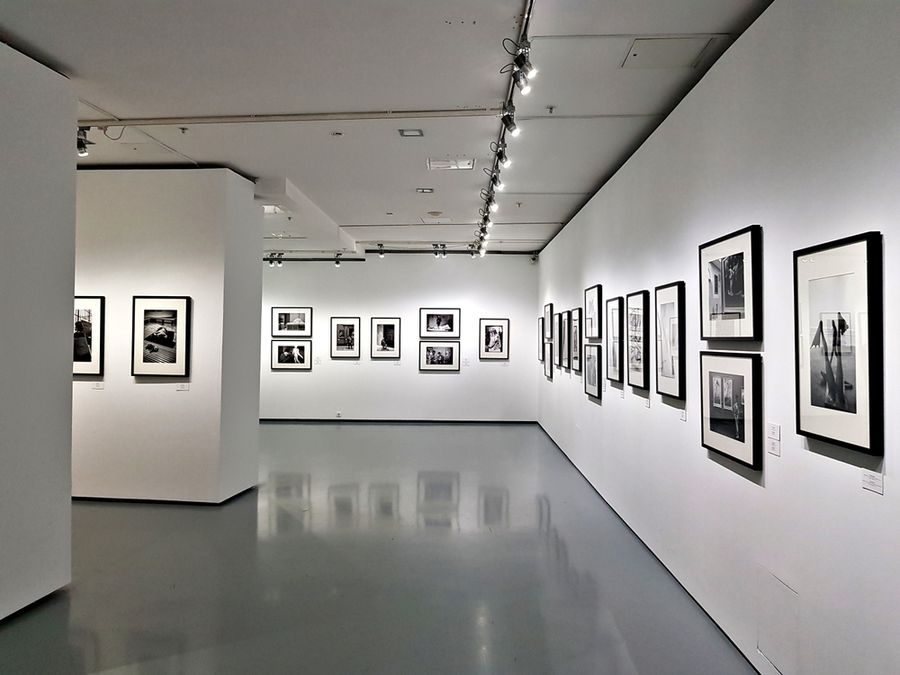
Fine art photography goes beyond capturing a moment, focusing instead on creative intention, emotional depth, and conceptual storytelling. It blends technical skill with artistic vision, transforming photographs into expressive works of art. By understanding its defining elements, creative process, and evolving styles, viewers and creators alike can better appreciate what sets fine art photography apart.
Understanding Fine Art Photography
Fine art photography is a unique genre that transcends traditional photography by emphasizing the artist's vision and intent. Unlike commercial photography, which often focuses on capturing reality, fine art photography aims to convey deeper emotions, ideas, and messages. This form of art uses the camera as a tool to express the artist's conceptual ideas, making it a powerful medium for artistic expression (source).
The history of fine art photography dates back to the 19th century, with pioneers like Julia Margaret Cameron and Oscar Gustave Rejlander using photography for artistic expression. Over the years, it has evolved through various movements such as Pictorialism and Modernism, and continues to adapt in the postmodern era with artists like Cindy Sherman and Andreas Gursky (source).
The Creative Process in Fine Art Photography
The creation of fine art photography involves a structured process that begins with brainstorming ideas and selecting a topic. This is followed by finding a subject and determining the technique to be used. Consistency across a body of work is crucial, as it ensures that the collection of images presents a unified theme or concept, which is essential for gallery exhibitions (source).
Mastery of composition and lighting is fundamental in fine art photography. Techniques such as the rule of thirds, balance and symmetry, and the use of light and shadow are employed to create dynamic and engaging images. These elements help guide the viewer's eye and contribute to the overall mood and narrative of the photograph (source).
Techniques and Styles in Fine Art Photography
Fine art photography encompasses a wide range of genres and styles, including portrait, still life, landscape, and abstract photography. Each style has its own unique approach and notable practitioners. Advanced techniques such as long exposure, chiaroscuro, and double exposure offer photographers creative ways to explore and express their artistic vision (source).
Post-production techniques are also an integral part of fine art photography. Editing can refine the image, highlight key elements, and further convey the intended emotions and concepts. This process ensures that the final image aligns with the artist's vision and is ready for display as a fine art print (source).
Why You Should Learn More About Fine Art Photography Today
Fine art photography is defined by intention, creativity, and the ability to communicate ideas beyond literal representation. Through thoughtful composition, lighting, subject choice, and post-production, photographers use the medium as a form of artistic expression rather than simple documentation. Its historical roots and ongoing evolution demonstrate how photography continues to adapt as a powerful fine art form.
By learning what defines fine art photography, both collectors and creators can better recognize its value and meaning. Whether viewed in galleries or created as part of a personal practice, fine art photography invites deeper interpretation and emotional engagement. Understanding its techniques and purpose allows audiences to connect more fully with the artist’s vision and appreciate photography as a meaningful and enduring art form.