

Emergency funds are vital for financial stability, acting as a safeguard against unexpected expenses like medical bills or job loss. Understanding how much to save, effective strategies for building the fund, and choosing the right account are key components. Learn how to define emergencies and manage funds wisely to ensure long-term financial resilience.
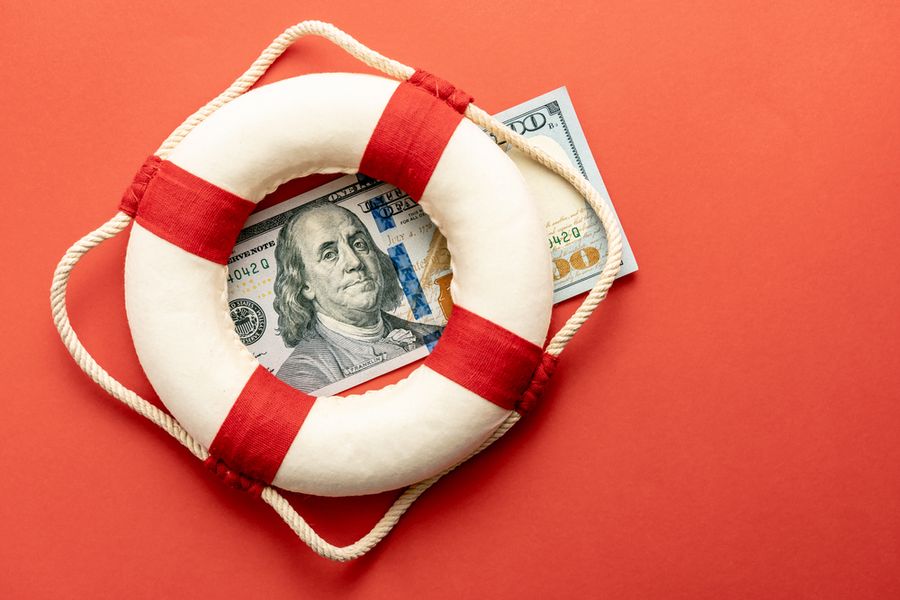
Understanding the Importance of Emergency Funds
Emergency funds are a critical component of financial security, serving as a dedicated cash reserve for unplanned expenses such as medical bills, car repairs, or sudden job loss. Unlike regular savings accounts, which are often earmarked for future goals like buying a house, emergency funds are specifically designed to manage unexpected financial shocks without depleting savings set aside for other objectives. This financial buffer is essential for maintaining stability and avoiding debt during unforeseen events.
How Much Should You Save?
The recommended amount for an emergency fund typically ranges from three to six months' worth of expenses. This range can vary based on individual circumstances, such as employment status and income stability. For instance, those with stable jobs might aim for three months, while individuals with variable income should consider saving up to six months to ensure adequate coverage. Consulting a financial advisor can help tailor the amount to personal needs, ensuring that the fund is sufficient to cover potential emergencies.
Strategies for Building an Emergency Fund
Building an emergency fund can be achieved through various strategies. Setting specific savings goals and automating transfers from checking to savings accounts are effective methods to ensure consistent contributions. Utilizing one-time financial windfalls, such as tax refunds or cash gifts, can also accelerate the growth of the fund. Celebrating incremental savings milestones can provide motivation and reinforce the habit of saving consistently over time.
Choosing the Right Account for Your Emergency Fund
The best savings account for an emergency fund should prioritize accessibility and security. High-yield savings accounts, short-term CDs, or money market accounts are ideal options as they offer favorable interest rates while ensuring funds are liquid and protected from loss. These accounts provide the necessary safety and liquidity, ensuring that funds are available when needed without penalties or restrictions.
Defining and Managing Emergencies
Determining what constitutes an emergency is subjective, but it generally involves larger, non-routine expenses. Establishing personal guidelines helps avoid unnecessary depletion of the emergency fund, ensuring it is reserved for true emergencies. Using the fund wisely can prevent reliance on credit or loans, which can lead to debt. If the fund is used, efforts should be made to replenish it promptly to maintain financial security.
Why You Should Learn More About Emergency Funds Today
Understanding and maintaining an emergency fund is crucial for financial resilience. It provides a safety net that allows individuals to navigate unexpected financial challenges with peace of mind. By learning more about how to effectively build and manage an emergency fund, individuals can enhance their financial security and reduce the risk of falling into debt during unforeseen events. With the right strategies and tools, anyone can establish a robust emergency fund that supports long-term financial health.
Sources
Insights on Building an Emergency Fund
Guide to Building an Emergency Fund