

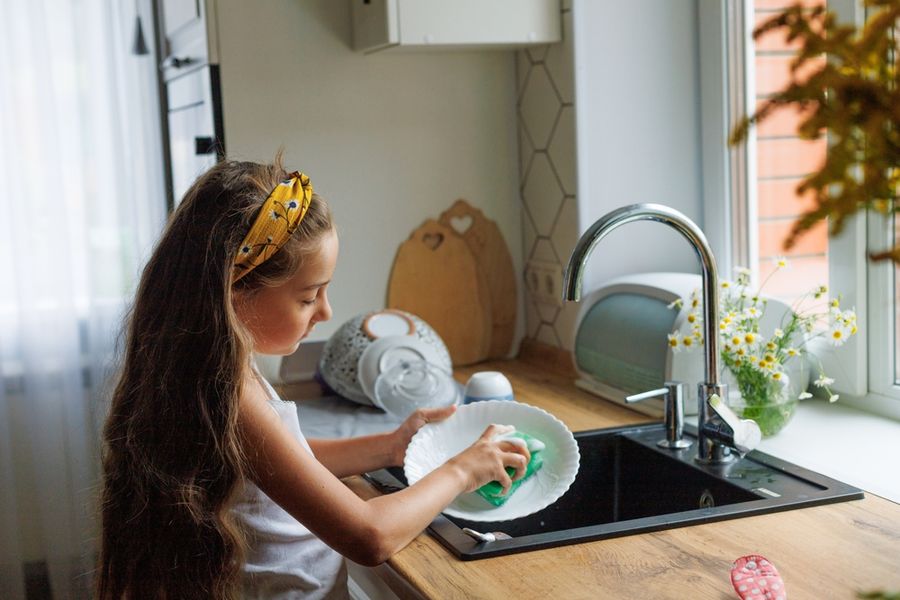
Age-appropriate chores play a pivotal role in a child’s development, fostering responsibility and teamwork. From simple tasks for toddlers to more complex duties for high schoolers, regular household responsibilities help build essential life skills. By integrating chores into daily routines through tools like chore charts and positive reinforcement, families can nurture independence and create a more harmonious home environment.
The Importance of Age-Appropriate Chores for Kids
Introducing chores to children at a young age is a crucial step in their development. It instills a sense of responsibility and self-reliance, which are essential life skills. By starting with simple tasks and gradually increasing complexity as they grow, children develop a strong work ethic and learn to contribute to the family unit. Chores are not just about keeping the house tidy; they are about teaching children how to manage responsibilities and work as part of a team (source).
Chores for Different Age Groups
For toddlers aged 2 to 3, simple tasks such as putting toys away, filling pet food bowls, and wiping up spills are appropriate. These tasks require supervision but help toddlers learn through imitation and develop early responsibility. As children reach preschool age (4-5 years), they can handle slightly more complex tasks like making their bed, clearing the table, and using a hand-held vacuum. Their improved hand-eye coordination allows them to perform tasks with minimal supervision (source).
Primary schoolers (ages 6-9) can take on more responsibility, including sweeping floors, preparing simple meals, and vacuuming. This age group may start to resist chores, but consistency in expectations helps maintain their involvement. Middle schoolers (ages 10-13) can manage tasks independently, such as washing dishes, preparing meals, and using laundry machines. Creating a chore chart can help them learn self-reliance and accountability (source).
High schoolers (ages 14+) are capable of performing nearly any household task, preparing them for independent living. They can handle complex chores like deep cleaning, mowing the lawn, and making complex meals, which are crucial for their future independence (source).
Strategies for Successful Chore Implementation
To successfully integrate chores into a child's routine, it is important to establish a daily rhythm. This approach sets clear expectations and integrates responsibilities into their morning and evening routines. Encouraging children to do chores involves keeping tasks simple, focusing on the habit of obedience, and spending time teaching new responsibilities. Praise and positive reinforcement are crucial in motivating children to complete their chores effectively (source).
Using tools like chore charts can visually reinforce daily responsibilities, helping children track and manage their chores. These tools are designed to adapt to changing schedules and can be displayed prominently in the home. Additionally, experts suggest a relaxed approach, starting chores early, providing ongoing praise, and maintaining consistency to avoid common pitfalls such as insisting on perfection or being stingy with praise (source).
Why You Should Learn More About Family Relationships Today
Understanding the role of chores in family dynamics is essential for fostering a balanced household. Age-appropriate chores not only benefit children's development but also ease the workload for parents, creating a more harmonious environment. By learning more about how to effectively implement chores, families can ensure that children grow up with a strong sense of responsibility and independence. This knowledge is invaluable for parents looking to nurture their children's growth and prepare them for the future.