

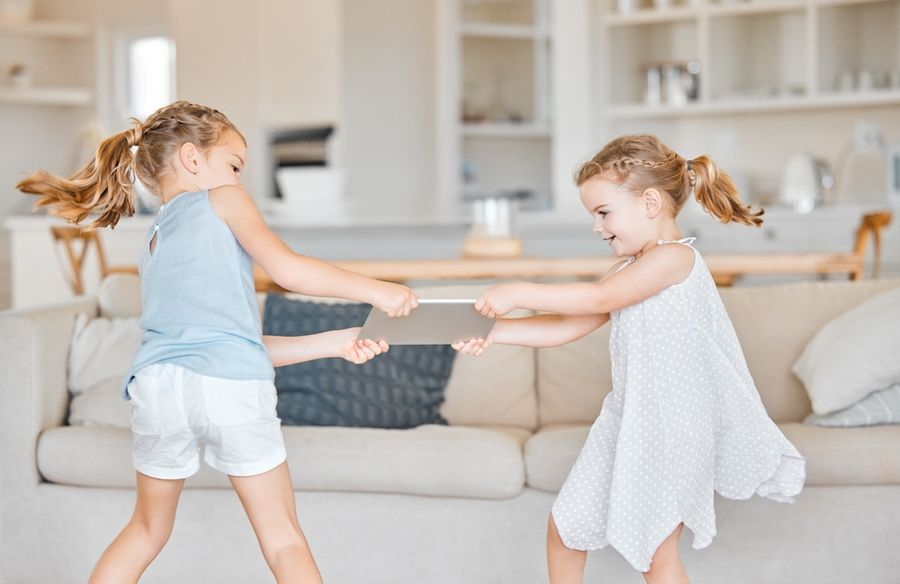
Sibling rivalry, a natural aspect of family life, often involves competition and jealousy among siblings. Influenced by factors such as birth order and family dynamics, it presents both challenges and opportunities for growth. Parents play a vital role in managing sibling interactions by using strategies that encourage cooperation, empathy, and more harmonious relationships.
Understanding Sibling Rivalry
Sibling rivalry is a common phenomenon in families, often manifesting as competition, jealousy, and conflict among siblings. It is a natural part of growing up and can be influenced by various factors such as birth order, age spacing, and family dynamics.
While it can be challenging for parents to manage, sibling rivalry also presents opportunities for children to develop essential life skills like conflict resolution, negotiation, and empathy (source).
The Role of Parents in Managing Sibling Rivalry
Parents play a crucial role in managing sibling rivalry by setting clear family rules and teaching conflict resolution skills. It is important for parents to avoid favoritism and to appreciate each child's uniqueness. By doing so, they can create a supportive environment that minimizes competition and encourages cooperation among siblings (source).
Additionally, parents should strive to mediate conflicts rather than act as referees, allowing children to work together to find mutually agreeable solutions (source).
Strategies for Reducing Sibling Rivalry
Several strategies can help reduce sibling rivalry. One effective approach is to dedicate daily one-on-one time with each child, known as "MIND, BODY AND SOUL TIME®," which helps reduce competition for parental attention.
Encouraging siblings to express their feelings using "I messages" and teaching them to stop when someone says "stop" can also improve communication and reduce conflicts (source). Furthermore, allowing children to share at their own pace fosters a sense of security and willingness to share over time (source).
Addressing Sibling Rivalry Across Different Ages
Sibling rivalry can begin in early childhood and persist into adulthood. In toddlerhood, conflicts often arise over toys and sharing, while in elementary school, rivalry is driven by jealousy and competition. During the teenage years, conflicts may involve arguments over personal space and perceived fairness.
Parents should continue to help teens navigate conflicts with empathy and consistent boundaries to nurture sibling relationships and family harmony (source).
The Importance of Fairness and Individual Attention
Perceived fairness plays a significant role in how siblings relate to one another. When children feel seen and acknowledged for their individual strengths, rivalry tends to decrease. Offering age-appropriate responsibilities, celebrating personal achievements, and avoiding direct comparisons help reinforce a sense of belonging.
Consistent routines and predictable expectations also contribute to emotional security, allowing siblings to interact with greater patience, respect, and understanding over time.
Why You Should Learn More About Sibling Rivalry Solutions Today
Understanding and managing sibling rivalry is crucial for fostering healthy family dynamics and supporting children's emotional and social development. By implementing effective strategies and maintaining a balanced parenting style, parents can minimize rivalry and promote cooperation among siblings.
Learning more about sibling rivalry solutions can empower parents to create a nurturing environment that encourages positive sibling relationships and prepares children for successful interactions in adulthood.