

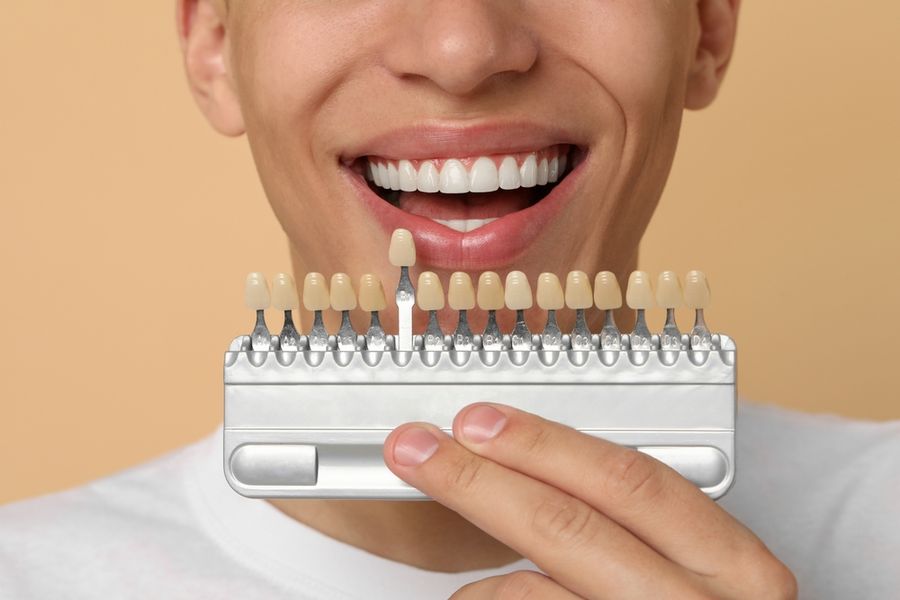
Teeth whitening has become one of the most popular cosmetic dental treatments, promising a brighter smile and renewed confidence. Prices vary widely depending on the method, setting, and longevity of results. Understanding the true costs involved helps consumers balance effectiveness, safety, and budget before committing to a whitening option.
In-Office Professional Whitening
In-office professional whitening is typically the most expensive option, but it also delivers the fastest and most dramatic results. Performed by a dentist, this treatment uses high-concentration bleaching agents, often activated by special lights or lasers. The average cost is $792 per session, depending on location, dentist expertise, and technology used. While the upfront cost is high, many patients see results of several shades lighter in just one visit. The price may also include protective measures for gums and follow-up care, which add value. However, touch-up sessions may be needed over time, increasing long-term costs. For those seeking immediate, supervised results with minimal guesswork, this option represents a premium investment.
Take-Home Professional Whitening Kits
Dentist-prescribed take-home whitening kits offer a middle-ground in terms of cost and effectiveness. These kits usually include custom-fitted trays and professional-grade whitening gel. Prices generally fall between $375 and $500. The custom trays help ensure even application and reduce gum irritation, which can justify the higher price compared to store-bought alternatives. Results appear gradually over one to two weeks, making this option appealing for patients who prefer flexibility. Some kits include multiple syringes of gel for future touch-ups, extending their value. While less expensive than in-office whitening, replacement gel refills can add ongoing costs. Overall, these kits balance professional oversight with convenience and moderate pricing.
Over-the-Counter Whitening Products
Over-the-counter whitening products are among the most accessible and affordable options. Whitening strips, gels, pens, and LED kits are widely available in pharmacies and online, with prices typically ranging from $20 to $100. These products use lower concentrations of whitening agents, which means results are more subtle and take longer to appear. Because trays and strips are not custom-fitted, uneven whitening or tooth sensitivity can occur. Some users may need to purchase multiple kits to achieve desired results, increasing the total cost. While affordable upfront, the trial-and-error aspect can make this option less cost-effective over time. Still, it remains popular for budget-conscious consumers seeking incremental improvements.
Whitening Toothpaste and Rinses
Whitening toothpastes and mouth rinses are the least expensive whitening-related products, usually costing between $5 and $15. These products do not actually bleach teeth but instead remove surface stains using mild abrasives or chemical agents. Because of this, results are limited and gradual, often noticeable only after consistent use over several weeks. They are best viewed as maintenance tools rather than standalone whitening solutions. Many people incorporate them into daily oral care routines to help preserve results from more intensive whitening treatments. While the financial investment is minimal, expectations should remain realistic. These products are inexpensive, but their whitening power is also modest.
DIY and Natural Whitening Methods
DIY and natural whitening methods, such as baking soda, activated charcoal, or oil pulling, are often perceived as low-cost alternatives. The materials themselves may cost only a few dollars, making them appealing from a price standpoint. However, these methods carry hidden costs. Improper or excessive use can damage enamel, leading to sensitivity or costly dental repairs. Additionally, scientific evidence supporting their effectiveness is limited. While some people report minor stain removal, results are inconsistent and unpredictable. When potential dental risks are considered, the long-term financial impact may outweigh the initial savings. These methods are inexpensive upfront but can become costly if they compromise oral health.
Why You Should Learn More About Teeth Whitening
Teeth whitening is a safe and effective way to enhance one's smile, but it is essential to choose the right method and product to suit individual needs and budgets. With a wide range of options available, from professional treatments to at-home kits, consumers can find a solution that fits their lifestyle and financial situation. Understanding the types of stains and the potential side effects of whitening products can help in making an informed decision. As the demand for brighter smiles continues to grow, staying informed about the latest products and techniques can ensure optimal results and satisfaction.